Last week I stopped into my local library to pick up an item that I had on hold. I hadn’t realized until I walked in that the library was having a huge used book sale. I perused the tables to see if anything caught my eye. I was pleasantly surprised to see a Choose Your Own Adventure book among the stacks of bargain books. I remembered the series fondly from my youth, having checked out many of them from that very same library when I was a kid. Vampire Express by Tony Koltz wasn’t one that I recalled reading, but for the price of 25 cents I couldn’t resist picking it up.
Choose Your Own Adventure books were popular in the 1980s and 90s. The stories, which spanned genres including mystery, sci-fi, fantasy and more, inserted the reader into the role of main character via use of the second-person present tense. (Instead of “Jim entered the haunted house,” it would be, “You enter the haunted house.”) Every so often the reader would come to a decision point and could take control of the narrative by making a choice. If you go up the rickety old staircase, turn to page 17. If you explore the dark and dreary hallway, turn to page 39. Each story had multiple endings, some good and some bad, that were driven by the choices you made.
In an effort to share the wonder of Choose Your Own Adventure with a new generation, I started reading Vampire Express out loud to my daughter, Cora, and letting her make the choices.
The story starts out as you, your friend Nina, and Nina’s aunt, Mrs. West, are riding on a train to Romania. You are going to meet up with your Uncle Andrew to go on an expedition to prove that vampires exist. Mrs. West has an amulet around her neck, and you are traveling with a painting concealed in a wooden box that is in the baggage car. Suddenly Mrs. West becomes quite agitated and goes to check on the painting. She does not return. After a while you and Nina become concerned and go look for her.
The first few choices that you make revolve around who you talk to on the train. There are a couple of men, a pair of gypsies (is that term even PC anymore?), and a count and countess. You also have the option to go to the baggage car and look around there.
Cora chose to talk to the count and countess, who have their own private car. A troll-like servant named Bela answers the door and tries to send you away, but the count shoos Bela aside and invites you in. The count and his wife encourage you to partake in a spread of candy, cookies, pastries and fruit punch. You can choose to accept or decline. Cora chose to decline.
I turned to the appropriate page to decline the treats and resumed reading. I was confused. The page had you and Nina walking into a room that you recognize as your own bedroom back home, and that Nina also somehow observes as being her room. I stopped reading aloud and silently skimmed for a second. Was this some plot twist that was going to make sense in a minute? Not at all, as Uncle Andrew and Mrs. West walk into the room, and the painting (which last we knew was still in the baggage car) begins to growl.
“Sorry,” I said. “I must’ve made a mistake.” I quickly retraced our steps in the book to get back to our last decision point. I double checked the page number for the choice to turn down the treats. Turn to page 112.
I turned to page 112. Sure enough, that was where we had just been. You and Nina walk into a bedroom that you each somehow recognize as your own. Uncle Andrew and Mrs. West walk in. The painting starts growling. Maybe this would’ve made sense if you had accepted the snacks, and they turned out to be laced with LSD.
Cora demanded that I hand her the book so she could check my work and see if she could figure out where I messed up. While she skeptically scoured the pages, I grabbed my phone and did a quick Google search. I doubted there would be anyone else reporting an issue with a Choose Your Own Adventure book published in 1984, but I looked anyway.
Apparently, Vampire Express is well known among Choose Your Own Adventure enthusiasts for having multiple mistakes that send the reader to the wrong page, robbing them of the intended experience. Subsequent printings corrected some of the errors, but apparently it took multiple attempts to get it right. I had a first edition which had the most mistakes.
Upon learning this, I did what any rational person would do. I read through every possible choice in the book, took notes on what all the errors were, then figured out what pages they were really supposed to go to. So, if you, dear reader, are stumbling upon this blog thanks to a Google search of your own after you have also picked up a copy of the original 1984 printing of Vampire Express at a book sale, you are in luck! See the handy chart below for the corrections!
From what I can tell, the fully corrected version sports an alternate cover which depicts two characters riding away from a castle on horseback. I assume the characters are intended to be Nina and “you,” although it might be the author and editor of the original version trying to flee from angry readers.
Flaws aside, this is not a bad example of a Choose Your Own Adventure book. It has a creepy and ominous vibe with some interesting characters. One thing that I liked was that there are certain scenes that you circle back to in multiple paths, but they play out a little differently depending on how you got there. For example, that moment of knocking on the door of the count and countess and being greeted by Bela can happen with just you and Nina, or it can happen later when you have another character named Professor Hartz with you. The same illustration of Bela is used for both scenarios, so for a second you might think you’ve found yourself back at a page you’ve already read, but you quickly see that the storyline has changed now that you’ve picked up the Professor on your way there.
On the other hand, the villains of the story don’t really do anything. The count and countess (spoiler alert, they are vampires) are trying to get ahold of the painting and the amulet because the painting has the power to destroy them and the amulet can protect them from the painting. The story doesn’t even commit to its own logic though, because there is one ending where you destroy the vampires with the painting while the countess is still clutching the amulet. Most of the endings are pretty tame, including some where the story ends before you even encounter the vampires. There are a few endings where you defeat the count and countess, and more than a couple where you meet your demise. One involves the train going over a cliff, and there is another where you are surrounded by an army of undead zombies. The most disturbing ending is probably one where you and your friends all become vampires yourselves, and the story concludes with you all heading to town to find people to feed on. There is also one ending that implies the whole thing was a dream, which is an ending that I absolutely hate any time it happens in a movie or TV show.
Overall this was a fun read, and the errors actually made it even more of a unique experience because it prompted me to really explore every possible path. I consider Vampire Express a quarter well spent.
I still remember seeing the VHS tape on the shelf. The cover showed Superman flying up, up and away – almost like he was going to fly right off the cover – carrying half of a nuclear warhead that he had just ripped apart behind him. At age six I didn’t know what a nuclear warhead was. To me it looked like he was carrying part of a rocket ship or something. I didn’t know what was going on but it looked exciting. I was going to spend the night at Mema and Pepa’s, and Mema had told me I could pick out two movies to rent from the video store. My first pick was Harry and the Hendersons. The other was Superman IV: The Quest For Peace.
Today Superman IV is considered the worst Superman movie. They slashed the budget considerably when it was shuffled off to Cannon Films instead of Warner Brothers, and it showed. But six-year-old me wasn’t focused on the production value. I was seeing Superman on the TV screen. I was seeing him fly. I was seeing him fight a super-powered bad guy. I was seeing Lois Lane, Lex Luthor, and the Daily Planet. I have no idea how I knew what any of that was. This was my first time ever watching a Superman movie. How did I already know that he was also Clark Kent? That he fought for truth, justice, and the American way? No clue. I feel like it was already in my DNA somehow. I came out of the womb knowing who Superman was. I think maybe every kid does.
I could tell that the movie was addressing some serious topics that I didn’t fully understand. There are a lot of scenes with world leaders discussing nuclear disarmament and Lex Luthor making shady weapons deals. To me those parts were boring, but I knew they must be important. I loved any time that Clark changed to Superman or vice versa. (Why are people or things changing into other people or things so interesting to kids? The Transformers. The Incredible Hulk. Anything that starts as one thing and becomes something else is fascinating.) The double date scene where Clark and Superman have to somehow have dinner with Lois and Lacy was amazing. It was like the Brady Bunch episode where Peter tries to entertain two different girls in different rooms of the house as he changes in and out of his Dracula costume, but with super powers. Yet even at age six I wondered why Superman was going to all that trouble. Couldn’t he have just said that one of his identities couldn’t make it? He seriously didn’t have anything better to do?
Most of all though I remember Superman’s speech at the end of the movie. The line that stuck with me was, “There will be peace, when the people of the world want it so badly that their governments have no choice but to give it to them.” Maybe it’s an oversimplification. But to a kid, those words out of Superman’s mouth were like Moses coming down the mountain with the commandments. I was innocent and naïve to the harsh realities of the world, but I knew wars happened and that a lot of people always died in them. Seeing Superman, a real, flesh and blood Superman, seemingly admonishing us and offering hope in the same breath, was immensely powerful to my impressionable young mind.
I don’t remember much about Harry and the Hendersons other than it taught me the word “shit,” and when I repeated it I got an angry glare from Mema which is how I found out it was a bad word.
At the Book Fair at school I bought a Scholastic picture book adaptation of Superman IV. There was one notable difference between the film and the book, although since I’d only seen the movie once I didn’t realize it at the time. At the end of the book, Superman flies Jeremy (the young boy who had written him a letter asking him to get rid of all the nukes) high above the Earth so that he can see the world the way Superman does. “I see oceans, and rain, and mountains, and rivers,” Jeremy describes. “But I can’t see where one country begins and another ends. It’s just one world.” This was the first time I ever thought about the fact that all the borders of the different countries on the maps I saw at school were not “real” – they were just ways that we human beings had decided to divide everything up. (It was not until I was older and saw the movie a second time that I realized that that ending was not in the film. It is an unfinished deleted scene that is available on the DVD and Blu-ray versions.)
The first couple of Superman comics I ever had were Man of Steel #5 (1986) and Superman #19 (1988). Both were written and drawn by John Byrne, although at that age I had no concept of the fact that different comics had different writers or artists. To me John Byrne’s Superman was just what Superman looked like.
Man of Steel #5 was part of a mini-series rebooting and retelling Superman’s origin for a new audience. That issue had him fighting Bizarro, his imperfect duplicate. As a kid who was fascinated with the Clark-to-Superman changes, I loved the panel where Byrne drew a sort of “time lapse” of Clark donning his costume while running down the stairs of the Daily Planet. Even better was the image of the confused Bizarro in a kind of half-Clark, half-Superman state that threatened to give away the whole secret identity bit.
The end of that issue proclaimed that the next installment would feature “The Return to Smallville.” Unaware that that was Clark Kent’s hometown, I thought they meant Whoville from Dr. Seuss. Was Superman going to fight the Grinch?! What a crossover that would be!
Superman #19 was part of a new ongoing series that followed the reboot. In that issue Superman’s powers were being mysteriously sapped from him one at a time. There were some great sequences showing this, like when he was in the middle of super-speeding across the ocean and his speed suddenly cut out, sending him plummeting into the water. The issue ended on the reveal of the monstrous villain Dreadnaught, who Superman was now going to have to fight without his powers.
This might be hard to understand if you are not a comic book reader, but there was something magical about not having the whole story. Comics almost always end on some kind of cliffhanger to entice you to buy the next installment. To some people that might sound frustrating. But it also makes the stories and the universe they take place in feel larger than life. You are getting a glimpse into an ongoing saga that is so big that it can’t be contained in a mere 22 pages. It’s been going on long before the issue in your hands, and it’s going to keep on going long afterward. You have only windows into this world. It was captivating.
I wouldn’t read the conclusion to the Superman vs. Dreadnaught cliffhanger until I was in my late teens. The story picked up in Adventures of Superman #442, which was drawn by Jerry Ordway rather than John Byrne. The art looked “wrong” to me. Ordway drew Dreadnaught much smaller than Byrne drew him. The actual story didn’t live up to what had been left to my imagination for over a decade. So it goes.
Part Two: The 1990s
Ironically my interest in the Superman comics really took off when the character died. In the fall of 1992 DC made headlines with a story that saw Superman finally meeting his match, dying in battle against a monster called Doomsday. I remember in the months leading up to that issue there were ads in several DC comics teasing the event, with a silhouette of Doomsday in front of a bleeding “S” logo. This was the first time I was aware of a storyline being promoted in advance like that, let alone one with such a monumental impact. While it’s a common gimmick to boost sales these days, the idea of killing off a main character – especially one as prominent in pop-culture as Superman – was unheard of. Were they really doing this? And how could Superman possibly die without kryptonite being involved? They had my attention.
November 18th, 1992 was the day that the Death of Superman comic came out. Superman #75 came in a sealed black bag with that same bleeding red “S” logo on the front. The evening news showed footage of people literally lined up around the block trying to get a copy from their local comic book shop like it was a big screen TV on Black Friday. Many of them thought that this issue would put their kids through college someday. I just really wanted to read the story.
Imagine my astonishment when I found out that Mema was one of those people who stood in the crazy comic store lines and had managed to procure a copy of the sealed Superman death issue! I could not believe it. She had been intending to get multiple copies, but the comic book store owner told her it was only one per customer. She got one copy and gave it to my dad. (I’m pretty sure Mema was part of the “it’s going to put the kids through college someday” camp. Today you can get a copy for about $20 without much effort.) My dad gave it to me to put in my comic collection for safekeeping. It instantly became the crown jewel of my collection. It remained sealed in its immortal polybag, of course, which only made it more captivating. It was like Superman’s demise was so momentous it was not able to be viewed by human eyes.
I would finally be able to read the story when my dad bought me a trade paperback collection that reprinted the whole Death of Superman saga – not just Superman #75, but the six or seven issues preceding it that chronicled Doomsday’s rampage toward the city of Metropolis. It was the first time I’d read a sequence of issues that all connected like that. Each chapter dovetailed into the next, with the subsequent installment picking up where the previous cliffhanger left off. In a way it was like reading one big 150-page comic.
The final issue was like nothing I’d ever read before. It was all splash pages (full-page illustrations rather than the page being divided up into panels), depicting Superman’s last fight with Doomsday in front of the Daily Planet building. Superman steps away from the battle just long enough to kiss Lois Lane goodbye, knowing he is probably not going to survive this one. The final pages are narrated by Lois in the form of an article she writes about the event. We see Jimmy Olsen trying to keep snapping photos as Superman is losing the fight. We see Jonathan and Martha Kent hugging each other as they watch their son being pummeled to death on live television. On the very last page we see Lois sobbing over Superman’s lifeless body as his torn and tattered cape flaps like a memorial flag in the background. I was 10 years old. I cried. What got me wasn’t the titular hero dying. It was how the story focused on his friends and family seeing it happen. An absolute gut punch.
What followed was my first foray into trying to collect comics “in real time” as they came out. I had originally assumed that after Superman died, that would be it – there would be no more Superman comics. How wrong I was. If anything, they kicked into higher gear than ever. After a brief storyline chronicling the funeral and mourning period of the people of Metropolis, four new Supermen appeared on the scene, one for each of the four Super-titles. (DC was publishing four different series about their flagship character, so that there would be a new issue out each week of the month: Superman, Adventures of Superman, Superman in Action Comics, and Superman: The Man of Steel.) As the “Reign of the Supermen” saga played out, I was desperate to keep up with what was going on. Try as I might, I just couldn’t collect all the issues. I would miss pieces of the storyline, or accidentally read them out of order. In a weird way that made it feel even more epic.
The comics themselves were not enough for me. I had to have anything and everything that tied into this event. I had a poster of the four Supermen in my bedroom. I got the Death and Return of Superman Super Nintendo game. I had the two different novelizations, the Time Warner audiobook cassettes, the trading cards, the action figures. Anything that had to do with the story of Superman’s death and rebirth was a must-have. I was addicted.
Our family had a subscription to TV Guide, and like any self-respecting television-obsessed kid in the 90s I read each issue cover to cover as if it were fine literature. In the September 11 – 17 1993 edition I came across something that stopped me in my tracks. A two-page spread advertising the premiere of a show called Lois & Clark: The New Adventures of Superman. On the left side was Superman, hands on his hips, looking heroic. On the right side, a steamy-looking Lois Lane was snuggled up to Clark Kent – who had no glasses and an “S” tattoo on his bicep for some reason – along with the proclamation that “Your Favorite Superhero Isn’t Just For Kids Anymore.” A TV series about Superman coming along right at the height of my super-fandom seemed almost too good to be true. So many questions went through my mind. What did they mean that it wasn’t for kids? Would I even be allowed to watch it? Would Clark really have a Superman tattoo in this version? If so, wasn’t that very egotistical of him, let alone potentially compromising his secret identity? Most of all I wanted to know if the show would adapt the Death and Return storyline that I was so enamored with. How could they not?
I showed my mom the ad in TV Guide and asked if we could tape the show. (For you younger readers out there, “taping” a show means recording it using a Video Cassette Recorder, a.k.a. VCR.) It was airing on a Sunday night at 8:00 p.m., and since it was a school night I knew I could not stay up that late to watch it, but I was hoping we could record it. My mom said she had been planning to tape the premiere of another new show that night, called SeaQuest DSV. However, knowing how much I loved Superman stuff, she agreed to record Lois & Clark instead. (Thanks Mom!)
The next night we sat down and watched the recorded episode – me, my mom, and my younger brother and sister. (My dad was working nights at this time.) The show opened at the Daily Planet with Lois Lane, Perry White, Jimmy Olsen and the rest of the staff celebrating Lois’s latest scoop – no Clark Kent in sight just yet. It was interesting to see the Daily Planet as a workplace in its own right and not just a setting for Superman to find adventures to get into. Seeing these characters as more than just a superhero’s supporting cast made them feel more real. And speaking of Clark Kent, the first time we see him he is stopping a runaway bus with one hand – in his civilian clothes and glasses. Clark doing super-feats in his everyday duds, something that the show would end up doing frequently, was really cool to me. Previous iterations tended to act like Clark couldn’t perform any heroics unless he was in costume. I thought it made total sense that he would be using his powers constantly for little things here and there that would not necessitate slipping into a phone booth to change outfits. (To be fair, at this point in the pilot episode he did not even have the costume yet. The montage scene where his mother helps him create the super suit is a highlight of not just that first episode but of the whole series.)
The characters all seemed carefully crafted and with more thought put into them than I’d seen before. For example, Perry White was now much more than just the gruff boss who barked out assignments and yelled “Great Caesar’s Ghost!” (In fact he had traded in that expression for “Great Shades of Elvis!”) He was a father figure and mentor who was always ready with some sage advice, usually wrapped up in a story about The King. You could tell he was proud of his staff and protective of them, but also always pushed them to do better. He was a character that I cared about for the first time.
The show’s portrayal of Clark Kent took its inspiration from the John Byrne reboot comics and humanized the character. For most of his history Superman had been “disguised as Clark Kent,” as they said in the intro to the George Reeves TV series. In the movies, Christopher Reeve famously slouched, pitched-up his voice, and acted clumsy as the mild-mannered reporter. Clark was the put-on, Superman was the real deal. Not so anymore. As Dean Cain’s version explained a season two episode, “Superman is what I can do. Clark is who I am.” The most powerful superhero of all was now more relatable.
No character was better represented in my opinion though than Lois Lane. For the first time I understood why Superman would fall for this gal reporter. While Margot Kidder was probably the most recognizable version of Lois prior to this, I had always found her a little bit… abrasive? I didn’t really get what Superman saw in her.
Teri Hatcher’s Lois was different. A smart, confident and tenacious go-getter who would do whatever it took to land a story. She was witty, sarcastic, resourceful, and took pride in being the best. (I hated the running gag of Margot Kidder’s Lois having to ask people how to spell things. It’s a trope that still shows up in the comics sometimes and I cringe every time it does. Lois should be a perfectionist who would be mortified if anyone perceived the slightest flaw in her writing.) She could also be vulnerable, but she hid that side of herself. It’s only when she is at home by herself that she cries into a carton of ice cream while watching a cheesy romance movie, or in a very rare moment of weakness admits to Clark Kent that she’s broken all three of her self-imposed rules of journalism. In many ways she wants everyone around her to think that she’s just as invincible as Superman.
Oh, and it didn’t hurt that Teri was drop-dead gorgeous. One of my first TV crushes, predating Larisa Oleynik’s Alex Mack and Danielle Fishel’s Topanga Lawrence by a year or two.
I was still hopeful that the show would eventually adapt my beloved “Death and Return of Superman” storyline, not having any real concept of how hard that would be to accomplish on a television budget. I even sent a letter to Wizard Magazine (the pre-eminent publication for all things galactic in the 90s) asking if they could pull some strings to help make that happen. My suggestion of who should play John Henry Irons? Denzel Washington. I can only assume that my letter must’ve gotten lost in the mail, because I never got a response.
In general, Lois & Clark and the comics each did their own thing and didn’t overlap much. There was one big exception to this. In October of 1996, the famous super-couple tied the knot. On the TV show, the wedding came in the episode “Swear To God, This Time We’re Not Kidding.” (So named in reference to the fact that Clark had accidentally married a frog-eating clone of Lois the season prior.) In the comics, it came in the form of Superman: The Wedding Album, a special issue with many different past and present Superman writers and artists coming together to contribute to the book. This felt like a big deal. A true change or progression to comic book characters was a rarity, with any big development often being reset or walked back by the next creative team to take things back to basics. Clark and Lois getting married felt different, and not just because the comics and TV show made the effort to align with each other. They had leapt the story forward in a single bound.
In 1997, DC launched a *fifth* Superman comic book series, Superman: The Man of Tomorrow, which only came out on months that had five Wednesdays! Previously, if a month had a fifth Wednesday, that would be a “skip week” for Superman. Now there would truly be a new Superman comic every single week of the year. Even though Man of Tomorrow would only come out roughly quarterly, I asked my parents for a subscription to it for my birthday that year. That title in particular was especially interesting to me because Tom Grummett, my favorite Superman artist from Adventures of Superman, would be picking up art duties there as well, and it seemed poised to pay off some lingering plot threads that had been dangling in the other books.
My mom called and tried to get me a subscription to Man of Tomorrow. (For you younger readers out there, a “subscription” meant sending money to the company in advance and they would mail each new issue right to your house as it came out.) She was told that because it was published so infrequently they did not offer a standalone subscription to Man of Tomorrow, and that the only way to get that one was to subscribe to all four of the other titles and then they would throw that one in for free. My mom bit the bullet and got me a one-year subscription to all of the Superman books. It cost over $100. I could not believe it. I had essentially asked for three or four comics over the course of a year and now I was going to get 52 of them, delivered right to my mailbox for a whole calendar year. Coolest gift ever!
A controversial new storyline kicked off during the course of my subscription. Three words: Electric Blue Superman. Superman got a new costume and a fresh set of powers in what was largely perceived by fans as another stunt to boost sales. DC had been chasing the dragon that was the Death of Superman storyline to diminishing returns, trying to launch another saga that could grab the headlines and get people lining up at the comic shop again. This wasn’t it. The gimmicky nature of this revamp and the fact that it was almost certain to be temporary turned a lot of fans off. But, the fact that it was being delivered to my doorstep every week made it special to me. I felt like I was in on the latest thing, even if I knew it was unlikely to last. Much like Superman IV, Electric Superman was much maligned by most of the fanbase but had a special place in my heart.
Part Three: The 2000s
After my subscription ended my interest in the comic books ebbed and flowed for a while. I would pick up an issue here or there, but I didn’t collect regularly. That changed in the year 2000 when I started going to a comic book store on a weekly basis with my friends Mike and Jeff, stopping in each Wednesday to get the latest issues as they literally hit the stands. It was so exciting to get my hands on each new story right when it became available.
September 12th, 2001, may seem like a strange day to go to the comic book store. It was the day after one of our country’s greatest tragedies, and a time of great uncertainty and pain for America. But I still went. I wanted a sense of normalcy at a time when nothing felt normal. To escape into a world where truth and justice were ideals to always be upheld, and there was always a hero in a colorful costume and cape ready to save everyone that needed saving.
I was shocked when I picked up Adventures of Superman #596 and opened to the first page. It showed Superman hovering in the air overlooking a devastated Metropolis – including smoldering holes in what looked very much like the Twin Towers. In the aftermath of DC’s “Our Worlds At War” storyline, this very evocative image just happened to hit the stands one day after the tragedy in NYC. It was horrifying, yet there was something about it that felt viscerally important. As if Superman had been impacted by the tragedy too. Make no mistake, if the writers had intentionally incorporated 9/11 into the comics somehow, it would’ve felt fake, forced, and tone-deaf. But because it happened as such an unbelievable coincidence, it felt like the fictional world and the real one had somehow briefly aligned.
In the aftermath of “Our Worlds At War,” Superman adopted a black and red version of his “S” instead of the classic yellow and red. It was his way of mourning those who had died. Again, this was something that was scripted, drawn, and sent to the printer long before 9/11. But somehow it felt like Superman was letting us know that he was right there with us.
In October 2001 a new version of Superman’s origin story started playing out on a weekly basis. The TV series Smallville (not Whoville) was about a young Clark Kent who was still in the “no flights, no tights” era of his career. The new show came at a time when I had just finished high school myself, so seeing Clark Kent going through many of the same milestones and rites of passage that I just had felt especially relevant to me. We would tape the show and then watch it on the weekend as a family, usually getting pizza for dinner for what we came to call “Pizza and Smallville nights.” Something about watching it with my family, when so much of the show’s early years centered around Clark’s relationship with his parents and friends, felt really special. The series found a way to appeal to multiple audiences with a single bound. Not only did it have its fair share of action and adventure, but it was also a coming-of-age story with a lot of heart. Clark’s lessons about life, love, and loss were just as important as how he mastered his x-ray vision. It was a superhero show with a family drama as its secret identity.
In 2002 I got a tattoo of the Superman “S” logo. It was partially because of how much I liked the character, and partially because of how much I liked a girl. Stacy and I had met years earlier in an online chatroom devoted to Lois & Clark. A girl who liked Superman? That seemed almost harder to believe than a man who could fly! Stacy and I dated on and off for a few years. In May of 2002, the day after her senior prom, we went and got matching “S” tattoos together, hers on her lower back, mine on my left bicep. They were a perfectly imperfect match – the tattoo artist had forgotten to include the tiny yellow triangle at the upper right crest of the S on both of our tats. (I hid the tattoo from my parents for months, until a family vacation and a dip in a hotel hot tub made it impossible to conceal.) My relationship with Stacy ended in 2003. I did not regret the tattoo, but the “S” would carry dual meanings for me for quite a while.
In 2006 Superman returned to the big screen with the appropriately titled Superman Returns. I had mixed feelings about this movie and the timing of it. I was so enamored with Smallville that I felt like it would only have been logical to let that show complete its run, then follow it up with a movie starring Tom Welling as a fully grown Superman who finally got to don tights and take flights. How cool would it be for the origin we’d spent years watching unfold on TV pay off in a big-budget film? I felt they could’ve easily done it in a way that was still accessible for those who didn’t watch the show, but that had an extra impact for those who did.
Instead of leaping from television to the big screen, Superman Returns paid homage to a different version of the Man of Steel. Director Bryan Singer’s movie starring Brandon Routh was essentially a love letter to the Christopher Reeve films, serving as its own sort-of-sequel (“in-between-quel?”) to that series.
I saw it twice in the theater. The first time was on opening night, with my girlfriend (now wife!) Amanda and our friends Pam and Tom. The theater was packed. Now I knew that the film was taking its inspiration from the Christopher Reeve era. But I was not prepared for those first few notes of the John Williams theme, or seeing the opening credits whoosh onto the screen over the black outer space background. There were audible “oh!” gasps of recognition from the crowd, myself included. Being in a full theater and seeing that classic introduction on the big screen was a moment I will never forget.
My second viewing was a couple of weeks later. I had the day off from work, and on a whim I decided to go see the movie a second time. It was in the middle of the day on a weekday and I went to a smaller theater than the one we’d gone to for the premiere. I ended up having it all to myself. That’s right, I was the one and only person in the theater. What an incredible contrast, seeing the movie first with a big crowd on opening night and then seeing it completely solo. Both were magical in different ways. I got up and changed seats a few times just because I could. At one point I went all the way up to the very front and reached up and touched the screen. It was surreal. The rest of the world disappeared as I had my own private showing. I Spent The Afternoon with Superman.
Part Four: The 2010s
In 2011, DC initiated a line-wide relaunch of all of their comic series to try to entice the proverbial new readers. Dubbed “The New 52,” decades of continuity were jettisoned to give each character a clean start – at least in theory. Many of the titles decided to pick and choose what still “counted” in each character’s backstory, although this was often murky territory that made things more confusing rather than less. Clark Kent was now younger, less experienced, and portrayed as a down-on-his-luck loser who could barely pay his rent. One reader who was quoted in a cbr.com article described Clark as a “homeless hipster,” which wasn’t quite accurate but not too far off. Superman was now wearing an overly complicated armor-like suit, which seemed bizarre for a guy who is known for being invulnerable. Superman was no longer married to Lois Lane, and instead had a hot and heavy romance with Wonder Woman. (When asked in an interview when he thought Clark and Lois would get back together, writer Geoff Johns said that, as far as he was concerned, they never would.)
In short, I no longer recognized this character.
I gave this new era a chance. But after about a dozen issues, I knew it just wasn’t for me. Maybe it was a jumping-on point for new readers, but I decided it was a good jumping-off point for me. I stopped collecting Superman comics.
In 2013, Superman flew back to the movie screen in Man of Steel, starring Henry Cavill and directed by Zack Snyder. I had high hopes for the film, as Snyder had previously directed 300 and Watchmen, two other comic-to-film adaptations that were immensely faithful to the source material and had a distinct and gorgeous visual style. Christopher Nolan, who had directed the Christian Bale Batman movies, was also involved as a producer and co-writer. How could this possibly be anything less than incredible? After some plans to see it with my brother fell through I ended up going solo and seeing it by myself, because I didn’t want to risk hearing any spoilers about it.
For most of the movie’s runtime I liked but didn’t love it. Something felt “off.” Maybe it was that it leaned a bit farther into sci-fi territory than most other iterations of the story. Sure, he’s an alien from another planet who can fly and shoot laser beams from his eyes, but this version was very heavy on the Kryptonian backstory and had an invasion from General Zod and his army as the central conflict. Maybe it was the odd metallic blue tint that seemed to make everything look dour and overcast. Maybe it was Jonathan Kent, the man from whom Clark inherits his moral compass, suggesting that Clark should’ve let a bus full of school children drown rather than risk exposing his secret.
In the movie’s final act, Superman is fighting General Zod in a devastated Metropolis where buildings have toppled over and dust and debris hang in the air like 9/11 on steroids. Zod is about to vaporize a terrified family with his heat vision. I wondered if Superman was going to throw his hands over Zod’s eyes like he did to Darkseid in a pivotal episode of Superman: The Animated Series.
Instead, Superman snaps Zod’s neck, killing him.
I was stunned. I felt stick to my stomach. I was about to walk out.
The only reason I stayed was I wanted to see if there was some kind of twist. Was Superman going to reverse time like he did in the first Christopher Reeve movie? Was he going to exile himself from Earth like he did in the comics in the 1980s?
No. The next scene, played for laughs, had Superman knock a satellite out of orbit so the government couldn’t track him, and a female soldier said he was “hot.”
Where had my Superman gone?
DC won me back as a comic book reader in 2016 when they launched their “Rebirth” line. In an attempt to course-correct from the New 52 (I was clearly not the only reader who felt alienated by that reboot), they brought back a lot of the elements that they’d previously pivoted away from. Dan Jurgens, one of my favorite writers from the “Death of Superman” era, returned to write Action Comics, and Peter Tomasi and Patrick Gleason took over the Superman series. The “old” Clark Kent and Lois Lane from the pre-New 52 era returned via a multiversal crossover adventure, not only still married but now raising a young son named Jon. At this point in my own life I was now married with two kids of my own, so seeing Clark and Lois as parents meant the world to me. It made me relate to my favorite characters more than ever.
One issue in particular captured my heart. In issue 7 of the new series, Lois and Clark take Jon to the state fair. Clark promises an evening of no superheroics, leaving the cape at home in favor of a night out with his family. The issue was light on action but big on the Kents as characters, letting them experience a night of fun. (Clark doesn’t break his promise, but he does bend it a little, making for a great ending.)
I absolutely loved this era of the comics. “My” Clark and Lois were back, one of my favorite writers was penning their new adventures, and I was getting to see them as parents. I honestly felt like they were making these comics just for me. I think a lot of other people did too.
By the summer of 2019 my “S” tattoo was looking quite faded, and there were a couple of spots that had become discolored and now looked just blotchy. It had been two decades since I got it as a matched set with my galactic girlfriend. It still had a lot of meaning to it, but I felt like it was time to give it an update, both in terms of how it looked and what it meant. I had it redone. I found an amazing artist who not only freshened up my tat, but gave it new life by adding some shading and a little bit of white around the edges to give it depth. At my request she also filled in the yellow with black, much like when Superman added black to his “S” after “Our Worlds At War.” At this time in my life I had overcome a long struggle with Crohn’s disease, achieving victory over that vicious illness only by having my entire colon and rectum surgically removed. I was also battling anxiety and depression. The black represented these struggles. Incorporating them into the “S” symbolized the fact that this adversity had not made me weaker. It had made me stronger.
Almost as if the universe was giving me a nod of approval, in late 2019, several months after I’d gotten my tattoo updated, Brandon Routh returned to play Superman on the CW’s “Crisis on Infinite Earths” crossover. He wore the red and black S. It was an homage to the storyline “Kingdom Come,” not “Our Worlds At War,” but it was still the first time that version of the logo had been portrayed in live action. Lois (Bitsie Tulloch) asked Routh’s Superman why he’d added black to the shield.
His response: “Because, Lois. Even in the darkest times, hope cuts through. Hope is the light that lifts us out of darkness.”
Part Five: Todayand Beyond
As I write this in 2025, the first teaser trailer for James Gunn’s new movie Superman was recently released. Due out in the summer, the film features David Corenswet as Superman, Nicholas Hoult as Lex Luthor, and Rachel Brosnahan (Mrs. Maisel) as Lois Lane. I have a feeling Brosnahan is going to absolutely own that role. Just from a quick image in the teaser of her with a cup of coffee in one hand and a copy of the Daily Planet in the other, I thought to myself, “That IS Lois Lane.”
The teaser doesn’t give away much, and only has six spoken words of dialogue. Instead, it builds the mood via lots of imagery and a newly arranged version of the classic John Williams theme. With Gunn (of Guardians of the Galaxy fame) directing, it’s almost certain to be full of action, humor, and heart. Maybe that’s just what we need right now. I’m hoping it’s a movie I can take my kids to, assuming they want to see a Superman movie with their old man.
If you asked me what my favorite version of Superman is, it would be difficult, maybe even impossible, to point to just one. Christopher Reeve feels like the “real” Superman to me, like the guy from the comics actually came to life. Dean Cain is my favorite Clark Kent because he made him feel like a person and not a put-on; a character rather than a caricature. Tom Welling, despite not wearing the tights, embodied the heart and soul of the character for a full decade and gave us more “save the day” moments than any other version. I guess maybe I could say that Chris is my favorite Superman, Dean is my favorite Clark, and Tom is the perfect blend of both.
There are many more stories I could tell here. The time I had a film that I made screened at The Superman Celebration in Metropolis, Illinois. Going to comic conventions and getting to meet Dean Cain, Teri Hatcher, Tom Welling, Michael Rosenbaum, Brandon Routh, Margot Kidder, Noel Neill and so many more. Meeting my future wife, Amanda, while I was dressed as Superman at a Halloween party. Getting to write columns for The Krypton Club Newsletter and KryptonSite. Being a guest speaker at my local library to talk about the history of Superman in movies and TV. The list goes on. Maybe I’ll write about some of them another time. That’s what’s so great about Superman – there will always be more stories to tell. The battle for truth and justice is a never-ending one.
In the Supergirl episode “The Last Children of Krypton,” Supergirl (Melissa Benoist) says goodbye to her cousin, Superman (Tyler Hoechlin) at the end of a team-up adventure. “Khao-shuh,” she says, bidding him farewell in their native Kryptonian language. When their friend Winn asks what it means, they explain that there’s not a direct translation of the expression in English.
The closest equivalent, they say, would be… “To Be Continued.”
A few years ago a story made the rounds that a “lost song” from The Muppet Christmas Carol had been found. The song was “When Love is Gone,” sung by Meredith Braun as Belle. Fans took to social media to express confusion, saying that they remembered that song being in the film already. Many went on to say that the movie was better off without that number, insisting that the slow, sentimental song (which didn’t even include any Muppets!) was a show-stopper, and not in the good way.
I’m going to explain the complicated history of “When Love is Gone,” and why it’s actually essential to The Muppet Christmas Carol.
The tune was always supposed to be part of the movie, with its intended place occurring about 45 minutes into the film when the Ghost of Christmas Past caps off her guided tour of Ebenezer Scrooge’s formative years by making him revisit the day his fiancée, Belle, broke off their engagement. Not long before the movie’s 1992 theatrical release, Disney exec Jeffrey Katzenberg observed fidgety kids in test screenings during that scene. He insisted that the song be cut, stating that it would lose the younger audience members. Brian Henson and the rest of the creative team pushed back, but they found themselves at a stalemate.
Eventually, a compromise was reached. “When Love is Gone” would be, well, gone, from the theatrical release, to assuage Katzenberg’s concerns about restless rugrats. However, when the movie was released on VHS, it would be restored to its proper place so audiences could experience it as intended. So if you remember the song from your youth, you’re probably remembering watching it on videocassette in the comfort of your own home sometime in the 1990s.
In the early 2000s, The Muppet Christmas Carol was released on DVD. As was not uncommon in this era, the DVD included both “full screen” and “widescreen” versions of the film. (DVDs were still relatively new and most TVs were 4:3 rather than 16:9. Audiences were used to home media releases being modified to fit their screens, so most movies had the picture cropped on the sides via the notorious practice of “pan and scan.”) Here’s where it gets interesting. The “full screen” version was the same as the VHS release, so it included “When Love is Gone.” The “widescreen” version was the theatrical cut, so it had the song omitted!
Check out the back of the DVD release, which touts the full screen version as including a “deleted scene!”
To make things even more complicated, a rendition of “When Love is Gone,” sung by Martina McBride, plays over the end credits no matter which version you’re watching!
Why didn’t they add the song back into the widescreen version too? This is where the song being “lost” comes in. It was the original widescreen version of the scene that had gone missing. And, as the “full screen” format in general began to fade from popularity, so too did the version that included the song. Surely any future re-releases would be of the theatrical version going forward.
It wasn’t until 2020 when Disney went back to the original negatives to prepare a possible 4K release that an additional reel of film was discovered. Brian Henson was brought in to see if it was anything that would be useful for the re-release. Lo and behold, it was the original footage of “When Love is Gone.” They quickly went to work on restoring and reinserting it back into the movie.
The cropped “full screen” VHS and DVD version on the left, the restored widescreen on the right.
So where can you watch the complete version? The most recent Blu-ray release is still the theatrical cut, sans song. The only place you can currently watch The Muppet Christmas Carol, in its highest quality widescreen format with “When Love Is Gone” included, is on Disney Plus – but even there it’s a bit hidden. If you just click “Play” on the movie, you’ll get the truncated version with no song. Instead, click Extras. There’s an option to watch the song on its own, or, to watch the “Full Length Version” which includes the song back in its proper place.
So why does the song matter? It’s slow, it’s sad, it’s sentimental, and it must be superfluous if it was able to be cut without impacting the film, right? Wrong. It’s actually crucial to Scrooge’s character arc, and the movie doesn’t work nearly as well without it.
In the theatrical cut, we observe young Ebenezer Scrooge with Belle on a park bench on Christmas Day. Belle points out that it’s been another year and they still aren’t married. Scrooge attempts to justify this by saying that business continues to be poor and they can’t afford a wedding right now. Scrooge insists that he does love Belle. “You did, once,” she replies. Then she gets up and walks away from him. Cut to Rizzo the rat bawling his eyes out, and the modern-day Scrooge begging the Ghost of Christmas Past not to show him any more of this. It’s an extreme reaction to what we’ve just seen and does not feel at all earned. We can read between the lines that they broke up, but it’s only implied by the brief conversation. It certainly doesn’t carry the weight that would justify the reactions of Rizzo or Scrooge.
In the version with the song, the scene goes on as Belle lyrically laments:
There was a time when I was sure That you and I were truly one That our future was forever And would never come undone And we came so close to being close And though you cared for me There’s distance in your eyes tonight So we’re not meant to be
Meredith Braun’s voice is gentle yet powerful, conveying sorrow but with a sense of conviction. It’s a compelling performance. As Belle sings, Young Scrooge approaches her several times, trying to touch her arm or put a hand on her shoulder. Each time she turns and walks farther away from him.
Old Scrooge, though he only exists in ghost form and cannot be seen or heard by young Belle, stands beside her and joins her in singing. It’s the first time we’ve heard Scrooge sing. Michael Caine purposely doesn’t match Ms. Braun note for note. His timing is a little off from hers; he is about a half a beat or so behind her.
“And yes, some dreams come true,” the song goes. “And yes, some dreams fall through.” Scrooge stumbles over this lyric. He gets choked up and starts to cry. That line got to him. We’ve found a moment that he regrets. There is a consequence to his actions, and we can see that he feels it. Now, the fact that Rizzo was moved to tears makes sense.
The scene is a turning point for both Young Scrooge and Old Scrooge.
Before this, everything we had seen of Young Scrooge indicated that he didn’t understand or particularly care about Christmas, but he didn’t seem like he hated it. We saw him as a boy, using the Christmas holiday to catch up on his studies at boarding school. We saw him as a young adult, poring over the books at Fozziwig’s Rubber Chicken Factory and questioning why his boss would waste money on a party. But it’s not until after his split with Belle that he seems to truly despise the holiday, wishing ill upon anyone who celebrates it.
Old Scrooge changes as well after seeing this flashback. Prior to this we don’t see an ounce of remorse in him. Seeing the Marley Brothers spooked him, and he was surprised and amazed at seeing the sights and sounds of his past. But nothing seemed to really get through to him before this moment. He was skeptical, bitter, and kind of annoyed at having to go through this time-traveling nonsense in the first place.
Once he has re-experienced his breakup with Belle, his attitude is different. The next spirit he meets, the Ghost of Christmas Present, asks him, “Have you ever noticed that everything seems wonderful at Christmas?”
For the first time, Scrooge doesn’t answer with a “Bah, humbug!” or other expression of disgust. Instead, he looks a bit ashamed. He hesitates. Then he admits, “In all honestly, spirit, no. Perhaps I’ve never understood about Christmas.”
The ice around his heart has been chipped away a bit. For the first time, the adult Scrooge is willing to concede that maybe Christmas is something he just doesn’t get. That maybe, just maybe, he’s been in the wrong.
The song is reprised at the end of the movie, when Scrooge, seated at the head of the Cratchit family table, leads the whole town in “The Love We Found.” It’s an emotional coda that harkens back to the day he lost his love. It’s a total tonal contrast between the moment that left Scrooge bitter and broken, and the day he allowed himself to accept and be accepted by the people around him. The emotional high of “The Love We Found” is not nearly as poignant when it doesn’t have that juxtaposition with “When Love is Gone.”
It’s getting to be that time of year when we all put on our favorite Christmas movies as we wrap presents, drink eggnog, and get into the spirit of the season. If The Muppet Christmas Carol is on your to-watch list, I’d encourage you to watch it with “When Love is Gone” this year. You might just see the story of Scrooge’s journey a little differently.
After all, wherever you find love, it feels like Christmas.
When I was a kid, there was no more magical place to visit than Clifton Hill in Niagara Falls, Ontario. Just across the U.S./Canadian border were not only the awe-inspiringly majestic waterfalls that provide the city’s namesake, but also a veritable wonderland of tourist attractions. Clifton Hill and the surrounding streets of Victoria Avenue and Falls Avenue are lined with restaurants, arcades, mazes, haunted houses, and, my personal favorite, two wax museums: Louis Tussaud’s Waxworks and Movieland Wax Museum of the Stars.
You might be asking yourself, does the town really need two wax museums? How different can they be? As someone who has visited both of them numerous times over the years, I can tell you that they each have their own style. Louis Tussaud’s has mostly statues of celebrities (actors, musicians, even politicians) in a gallery environment where you can pose with the figures and take photos with them. Movieland has figures of characters from movies or TV shows displayed in scenes that are set back in such a way that you can view them but not get up close to them. There are exceptions to these rules at both museums (Movieland has a really great superhero gallery at the end with tons of figures you can pose with), but by and large that is what distinguishes them from one another.
Me with Superman and Batman in the superhero gallery at Movieland in 2022
Both museums currently reside at different locations than they did when I was a kid. They were originally across the street from each other at the bottom of the hill. Tussaud’s has since relocated all the way to the top of the hill and is technically on Victoria Avenue now and not on Clifton Hill proper. Movieland didn’t move quite as far, now residing about halfway up the hill across from the Rainforest Café. They have been in their current locations since around 2005.
Louis Tussaud’s Waxworks
Here is a picture of me as a young tyke, circa 1991, where you can see the original Louis Tussaud’s on Clifton Hill in the background. Compare that to the picture on the right of the museum’s current location on Victoria Ave.
Here are a couple of photos from the old Tussaud’s location. Left, my dad with Ronald Reagan. Right, Martin Luther King Jr. Neither figure is included at the current location, although there is still an area with many historical figures.
My wife remembers the original location having a “torture chamber” display in the basement, with statues in medieval torture scenarios – complete with placards describing what these poor souls were being subjected to. I can tell you for a fact that I did not visit this part of the museum! This area was apparently scrapped when the museum moved up the hill. (There is some torture stuff on display at the nearby Ripley’s Believe It Or Not museum, if that’s your cup of tea. Also, Tussaud’s and Movieland both have optional “horror” sections that you can skip if you’re a chicken like me…!)
Even in more recent times, the statues at Tussaud’s change fairly frequently as celebrities enter or exit the public eye.
Here’s me with Bruce Willis in 2007. Bruce is no longer on display.
Here’s me with Christina Aguilera in 2007, also no longer on display. I guess the genie went back into her bottle.
Here’s my wife, Amanda, with Oprah Winfrey in 2007. Oprah is no longer on display.
Here’s me with Elvis Presley, Marilyn Monroe, Humphrey Bogart, and James Dean in 2007. None of them are on display today.
Michelle Pfeiffer’s Catwoman seems to have had a wardrobe downgrade over the years. The top photo, from 2007, has her in a very faithful vinyl version of her Batman Returns costume. In 2024 she is in a different mask (the “ears” are too long), and the rest of her costume is a different fabric that doesn’t match her mask or boots. Her pointy fingernails are gone as well. No clue what might’ve happened to Selina Kyle’s original threads. It’s a shame, because the old outfit was purrrfect.
Movieland Wax Museum of the Stars
The original Movieland location can be seen in a photo from an old brochure that I still have from the 1990s. Note that it was just called “Movieland Wax Museum,” and they had not yet added the “Of The Stars” to its title. The current location is in the photo on the right for comparison.
Movieland originally had an Indiana Jones display at the entrance to the museum, where Indy was suspended from the ceiling via a rope. This can be seen in a photo from that 1990s brochure. Today the same figure is still in the museum, but he’s been relocated to a completely different display.
Also near the entrance to the museum was a statue of Marilyn Monroe standing over a grate. Every so often, a gust of air would blow upwards and make her skirt flutter, mimicking the famous scene from “The Seven Year Itch.” Marilyn is no longer on display at Movieland.
Also in that old 1990s brochure was a figure of Eddie Murphy from Beverly Hills Cop. Mr. Murphy is no longer on display.
One of the first scenes Movieland added that visitors could pose in was The Simpsons, sitting on their famous living room couch. As you can see from these pictures, that scene has changed over the years as well. The first photo is from that old brochure, and you could not pose with the family – note that Bart is standing on the couch. The second photo, taken in 2002, moved Bart to a stairwell and allowed fans to sit on the couch next to Homer, who was wearing a new shirt. In the third photo, taken in 2024, note that both Homer and Marge have changed clothes, and baby Maggie is missing.
In this 2002 picture of Darth Maul, we can see him holding his infamous double-ended lightsaber. In 2024, the lightsaber is gone – perhaps some aspiring Sith lord absconded with it? – and Maul is instead holding onto his belt, which seems a bit strange. Jar Jar is still there, he’s just mercifully not in the photograph.
In 2002, E.T. had his finger pointed outward so you could recreate the famous “ouch” moment with him. Either that, or that mischievous Extra Terrestrial wanted you to pull his finger. By 2024, his arm had been repositioned so as to force E.T. to keep his digits to himself.
Jack Nicholson’s Joker and Michael Keaton’s Batman were originally part of a display based on the bell-tower scene from the 1989 film. By 2024 they had both been relocated to a window display at the front of the museum and are now joined by Heath Ledger’s Joker. (There’s a Joaquin Phoenix Joker at Tussaud’s… if they were all at the same museum they could do a Three Jokers display!)
Other Attractions
These photos aren’t from either of the wax museums, but since they are from Clifton Hill I thought I’d share them. On the left is the exterior of the House Frankenstein, circa 1991. Note the monster looks like the Boris Karloff version of the character, and he’s accompanied by the Bride of Frankenstein. Sometime well before 2024 they were replaced by the version on the right – a more generic version of the monster and a mad scientist bringing him to life. No more Bride. (I guess Franky got to keep the house?)
Here’s a picture of me with a statue of the world’s tallest man, Robert Wadlow, taken at the now defunct Guinness World Records Museum. There is an animatronic statue of him that alternates between standing up and sitting down in the Ripley’s museum today.
Last but not least, here’s a picture from inside the Fun House, which used to have a wall of cartoon figures that you could stick your face through. That part of the attraction is long gone, along with many other elements that have been changed out over the years. I have a vivid memory of a giant skeleton behind glass at the end of the Fun House that was supposed to light up as you walked by it, but the lights were not working. The image of the huge skeleton in the dark was a very creepy way to end a walk through a Fun House! At least there wasn’t a torture chamber!
And that, at least for this edition, my friends… is the whole ball of wax!
The first time it occurred me how much the way we consume media had changed was when my son Dominic was three years old. We were at my parents’ house and I asked him if he wanted to watch something on TV.
“Yes,” he said. “I want to watch the Mickey Mouse where the Clubhouse disappears.”
“Oh,” I said. “That episode isn’t on right now.”
He was confused.
“What do you mean, it isn’t on?”
I struggled to explain that on “regular” TV, you could only watch what was airing at that time. You couldn’t pick the show, let alone the episode. I think I said something along the lines of, “This TV doesn’t have as many choices.” Then Dominic asked if we could go home.
To be fair, if I could’ve gone back in time and told my childhood self that someday you would be able to choose any movie or any episode of any show and watch it with a few clicks of your remote, that would’ve seemed like absolute magic to me. For anyone who grew up in the days before Netflix, Hulu, Disney Plus and the like, you really could only watch a show when it was on. In fact, many of us subscribed to a weekly magazine that informed you of what shows would be on when. If there was something you wanted to see and you weren’t going to be home, you would have to go to the lengths of setting up your VCR to record it onto a VHS tape.
If you ever pushed the little flap of the VCR door open when there was no tape in it and looked inside, you would see there was so much crazy-looking gadgetry in there that it didn’t seem like it should even work. When you would insert a tape into the machine it would make noises like you were somehow inconveniencing it, cranking and whirring as all of those little gears and doo-dads loaded the tape and got ready to play it. Eventually you could wear a tape out from watching it too much. Who else remembers seeing the slow, gradual degradation of the picture as those little static lines would begin to creep in from the bottom and top of the screen? You could try to adjust the tracking to get rid of them (I still don’t even really know what that was actually doing), but after a while it became futile. And don’t even get me started on the horror of pulling a tape out of the machine to find that your VCR just “ate” your favorite video – seeing a trail of the tape’s innards being stretched out from the back of the cassette and into the mouth of the machine was like it was some kind of carnivorous animal that had turned against you. It was a stinging betrayal.
Well before DVD box sets existed, I would try make my own sets on tape. The first time I remember doing this was in 1989 when I made collection of Teenage Mutant Ninja Turtles episodes. It was a sort of “Best of TMNT” tape of only my personal favorites. Every day after school I would have a tape in the VCR ready to go, and I would wait for the title card to come up to see which episode it was. (I only had the theme song recorded once, at the very beginning of the tape.) If it was an episode I wanted, I’d hit record. If not, I’d wait for the next day and try again. (If you’re wondering which episodes made the cut, the four Eye of Sarnath episodes were on there, the Baxter the Fly origin episode, the first Casey Jones episode, and the episode where Leatherhead meets the Rat King.)
There was a fine art to what setting you would have the VCR on when you recorded something. Most had at least two, or possibly all three of the following options: Standard Play (SP), which could fit two hours of high quality video on a single tape; Long Play (LP), which could fit four hours of okay-looking video on a tape; and Extended Play or Super Long Play (EP or SLP) which could fit six hours of pretty crappy looking video on a tape. I would almost always record in EP/SLP because my not-very-discerning young mind emphasized quantity over quality. I wanted as much content as I could get on a single video. The fact that it didn’t look as good wasn’t something I paid a ton of attention to. This was in the days before high definition and wide screens, so shows didn’t always look all that great even when you watched them live. Compared to the 4K resolution we’ve become accustomed to nowadays, TV recorded onto a VHS tape in SLP would look like an impressionistic painting.
If you buy a movie on DVD or Blu-ray, or purchase it digitally on Amazon, Apple TV, or Vudu, you have the exact same copy of it as everyone else. If you recorded something off TV, you had captured that specific airing of it. It might have the commercials that aired along with it, unless you took the time to “cut them out” by pausing the recording each time the show went to break and unpausing it when it came back. We had a tape of Christmas specials from the 80s, and the ads were just as much a part of the holiday magic as the shows. Who could forget the 7-Up commercial with the Countdown to Christmas calendar, or the bizarre Isotoner gloves ad with the nerdy guy who had eight girlfriends?
Speaking of that Christmas tape – sometimes you might have only part of a movie or show recorded, and that became ingrained in your mind as the complete version. Our recording of Rudolph the Red-Nosed Reindeer began a few minutes in, when Mrs. Claus is imploring Santa to “Eat! Eat!” because he was too skinny. Obviously I knew that wasn’t how the special actually started and that we’d missed the very beginning of it. Yet, even now, when I watch Rudolph at Christmas time, the first few minutes of it seem foreign to me. I watched our truncated version so many times as a kid that it feels like the special should start abruptly with Mrs. Claus fattening up her husband.
You could also form associations between movies that had nothing to do with each other just because you had them on the same tape. For example, we had Clue and the Martin Short movie Clifford taped back to back from a time they had aired on Comedy Central. In my mind, those two movies still go together, even though there is nothing else that connects them besides the Dimino family having them on the same cassette. Same with Batman: Mask of the Phantasm and Daffy Duck’s Quackbusters, both of which we recorded off of Cartoon Network. Somewhere burned in my brain is the idea that after Batman finishes saving Gotham City from the Phantasm, Daffy comes in and recruits Bugs and Porky to start catching ghosts.
If you taped a movie off TV there was a good chance you were recording an edited version of it. I will never forget the time in high school when I had some friends over and one of them referenced the movie Space Balls. I proudly announced that we had it on tape and suggested that we watch it. I didn’t think about the fact that I had recorded it from Comedy Central and it had been edited for language. My buddies gave me some grief for having a toned-down version of the movie, but we ended up watching the whole thing and laughing even harder at the dubbed-over curse words and awkwardly censored scenes. (The line “We ain’t found shit!” when they are combing the desert was completely omitted, which was the scene we’d been talking about in the first place.)
My penchant for assembling “Best of…” tapes lasted pretty much right up until VHS went obsolete. In college, I made a tape for my then-girlfriend (and now wife!) Amanda of her favorite episodes of Full House by waiting for each one to air on ABC Family. Some guys made their girlfriends mix-tapes of romantic songs; I made mine a mix-tape of a T.G.I.F. sitcom. Now of course we have the whole series on DVD, and it’s also available to stream on Max, so we have multiple ways to view any episode at any moment, but at the time that video I gradually assembled was the only way to have those specific episodes in anything resembling an “on demand” form.
Everything is so accessible now, and there is a kind of magic in that. Again, my kid self would’ve absolutely flipped at the idea of having an instantaneous library of movies and shows at his fingertips at all times. But there was a magic in the VHS era too, in being able to capture that movie or that show as a moment in time. I’m not saying it was better. It was clunky, time-consuming, and if you missed the episode you wanted to tape you were out of luck until it came around again in reruns. But I will always look back on it fondly, and remember how it felt to push a tape into the VCR, listen to the sound of the whirring gears, and, at just the right moment, press “Record.”
It’s not too hard to imagine an alternate timeline where technology never advanced past the VCR. I’m sure in that reality I would’ve been making “Best of…” tapes of all of my son’s favorite episodes of Mickey Mouse Clubhouse, so he could watch the one where the clubhouse disappears any time he wanted to.
It’s Christmas morning. Val, Josh, and I are at the top of the stairs, waiting for the okay from Mom and Dad to come down and feast our eyes on all those glorious presents.
“Can we come down yet?” Val is the one to ask. The middle child, but in many ways the leader of our trio. She doesn’t think of herself that way; she is just always the one to want to clear things up, set the record straight, or be the mediator of any conflict. I often refer to her as Josh’s attorney/interpreter because she will jump in on his behalf in any argument, major or minor.
“Not yet,” Mom replies from the kitchen. “I’m making coffee and Dad is getting the video camera ready.”
The suspense is almost too much to bear. We’ve waited so long for Christmas to arrive. This is the final obstacle to overcome before getting our hands on those gifts! As frustrating as it may be to three young kids, it’s a moment that is magical in its own way. It stretches things out just a little longer, letting the excitement build just a little more.
Josh, the youngest and most adventurous, sneaks down a few steps and peeks around the corner. He needs confirmation that there really are presents down there. “He came!” he whispers excitedly as he hurries back up the stairs. “Santa came!”
It plays out this way year after year, becoming a tradition of its own.
Years later, when I am a teenager, I stay in bed, refusing to emerge from my room until we get the green light from Mom and Dad to come downstairs. Val and Josh are appalled. The drawn-out moments of anticipation at the top of the stairs are part of Christmas morning. How could I possibly sleep through them? What they don’t know is that I am wide awake, trying to play it cool. I can’t make it seem like I’m too eager. Me trying to “sleep in” on Christmas morning becomes a new layer to the bit.
Now, as adults, long since having moved out and living in our own homes with families and traditions of our own, my siblings and I still text each other on Christmas Eve:
One of my favorite things to do when my family would go to Atlanta each summer in the mid-1990s was visit the Warner Brothers Studio Store. There were two different locations that we would go to: one at the Lenox Square mall and one in the Underground Atlanta shopping district.
The Warner Brothers Store in Underground Atlanta, circa 1995
Back then superhero stuff was not nearly as prevalent as it is today. As a kid who loved comic books, it was rare to see my favorite characters gracing any store shelves. Walking into the Warner Brothers Store came with a special rush of excitement as larger-than-life statues of Michael Keaton’s Batman and Christopher Reeve’s Superman appeared to be bursting through the wall of the Underground location. In the summer of 1995 there was a big screen in the middle of the store showing a trailer for Batman Forever. The scene of Val Kilmer’s Bruce Wayne dropping down through a secret passage in his office and arriving in the Batcave was fascinating to me. I couldn’t wait to see the movie.
The Warner Brothers store had merchandise from my favorite show, Lois & Clark: The New Adventures of Superman. I barely knew anyone else who even watched the show at that time. (This was before I discovered all of my fellow FoLCs in the chatrooms of AOL!) The fact that the Lenox location of the WB Store actually had shirts with Dean Cain and Teri Hatcher on them seemed like I’d stepped into an alternate reality where everyone loved the same things that I did.
Two “Lois & Clark” shirts I bought from the WB Store in the 90s
Old cartoons and commercials played throughout the store as well. The “Very Stylish Girl” jingle from one of the clips got stuck in our heads and would be referenced often by me and my siblings for years to come.
Most impressive of all were the animation cels that were for sale. Most cost hundreds of dollars; some were a thousand dollars or more. Actual cels that were used to create Tiny Toons, Animaniacs, and Batman The Animated Series were framed and on display, and could be yours if you had enough disposable income. I remember thinking that I couldn’t wait until I was old enough to have money to spend on things like that, and to have my own place where I could hang them up. I envisioned having a collectibles room in my house where I could proudly showcase the animation cels, mini-statues, and other novelties that I would undoubtedly be able to afford when I grew up.
The Warner Brothers Studio Store in Burbank, CA
Although the WB stores across America shuttered their doors in the early 2000s, there is still one location open at the Warner Brothers Studios in Burbank, California. I recently had the pleasure of visiting this location while on my first ever trip to the west coast. Walking into the store was like going back in time. On display were the actual Green Arrow, Flash, and Supergirl costumes worn by Stephen Amell, Grant Gustin, and Melissa Benoist respectively. Statues, shirts, books, coffee mugs and more from everything ranging from Harry Potter to Gilmore Girls filled shelves as far as the eye could see. I wandered the store with the same wide-eyed expression that my younger self would’ve had back in the 90s.
I didn’t buy anything.
Younger Me would probably be confused and disappointed that Grown-Up Me didn’t come back with a suitcase full of mini-busts and animation cels to adorn the walls of the collectibles room that I should surely have by now as an adult. For one thing, Younger Me seriously overestimated the amount of disposable income I would have. But for another thing, Grown-Up Me found that you can’t put a price on the best thing I would find at the Warner Brothers Store: the sense of nostalgia, wonder, and excitement that comes from being surrounded by so many things that you grew up loving.
In this edition we will take a look at some more of the most memorable action figures from my childhood years. (You can find part one here, and my original post about playing “G.I.S.” with my brother here.)
Lex Luthor (1984)
My first ever impression of Superman’s arch nemesis Lex Luthor was courtesy of this figure of him wearing his green war suit. I did not know at the time that this armor was designed specifically to give Lex a cool action figure. It was a look that the character would sport only briefly; by 1986 the “Post Crisis” Lex wore a business suit and became more of a corrupt tycoon type of character. Still, in the back of my mind I always imagined Lex having this armor in storage or something, ready to bust it out if he really needed to. The war suit has appeared in the comics a handful of times over the years, and even finally made it into live action when Jon Cryer played Lex on Supergirl. The kid in me was excited for Lex to finally “suit up” after decades of wanting to see it happen!
Stonedar and Rokkon (1986)
Kids have always loved toys that transformed. This is a known a fact. Usually that means a robot that turns into a car or an airplane or some other vehicle. Stonedar and Rokkon were robot aliens that turned into rocks. That’s right, they turned into freaking rocks. For some reason though I thought they were awesome. I’d like to say my young mind was fascinated by the extreme contrast between the advanced technology that comprised their robotic selves and the prehistoric simplicity of their rock forms, but I really think they just looked cool. These guys were part of the Masters Of The Universe line, and they all came with mini comic books that explained who the characters were. Stonedar and Rokkon were some of the first figures that I remember really paying attention to the comics and wanting to understand their backstory. (That backstory being, they were robot aliens that turn into rocks.)
Baxter The Fly (1989)
Most cartoon shows would always return things back to the “status quo” at the end of each episode, so that they could be watched in any order. That’s why it blew my mind when Teenage Mutant Ninja Turtles had Baxter Stockman, Shredder’s scientist assistant who appeared in many early episodes, turn into a human-fly hybrid and stay that way. It was unheard of to have such a dramatic change occur and have it stick. Also, it happened because Krang threw Baxter into a disintegrator unit with the intention of freaking killing him. It was the most hardcore thing I had ever seen in my life. (I was kind of a sheltered kid.) I wanted the Baxter The Fly toy so bad that I actually had a dream about it one night, and I was crushed when I woke up and realized I did not really have it. When I eventually got it for my birthday I was overjoyed. (As my dad said at the time, “They can’t make ‘em ugly enough!”) I did wish they had made a figure of Baxter in his human form too though, so I could’ve re-enacted the episode where he transformed.
Casey Jones (1989)
Speaking of Ninja Turtles characters I was obsessed with. When they introduced Casey Jones, I did not understand that he was supposed to be a parody of dark and gritty urban vigilante heroes, probably because he was my first exposure to a dark and gritty urban vigilante hero. I thought the idea of a guy wearing a hockey mask beating the crap out of criminals with golf clubs and baseball bats was incredible; the tongue-in-cheek nature of the character and the fact that his voice was a Clint Eastwood impression was lost on me. I loved the character so much that I went as Casey Jones for Halloween that year. Everyone thought I was supposed to be Jason from the Friday the 13th movies though, which pissed me off. Also, I brought the Casey Jones action figure into school for show and tell one time. Steve C. in my class asked if that was the version of the figure where his mask comes off. I said no. He said he had the version where his mask comes off. I am pretty sure he was lying, I don’t think that was a real thing. But it did make me wonder what Casey looked like behind his mask.
Ace Duck (1989)
As the Ninja Turtle toy line went on, they started adding more and more characters beyond just the turtles and their villains. Sometimes they added characters that came out of nowhere and had nothing to do with anything. Ace Duck was an anthropomorphic duck who dressed like a pilot. To my knowledge he only ever appeared in a few seconds of the animated Turtles TV show, as a character the Turtles were watching on TV. That’s right, he was a character on a show on a show. However, I was also an avid reader of the Teenage Mutant Ninja Turtles Adventures comic books. There was a storyline with a very different version of Ace Duck who was a muscle-bound intergalactic wrestler. Rather than finding this confusing I just found it very interesting that there were such different versions of this obscure character. (Also, it was really hard to get that figure’s hat to stay on.)
Deep Sea Diver Batman (1990)
Aren’t everyone’s favorite Batman adventures the times when he puts on a bright yellow suit and fights crime underwater? This was so odd that my brother and I usually had him be some kind of Batman impostor in our games rather than the genuine article.
Don The Undercover Turtle (1990)
This one came from later in the Ninja Turtles line when they were trying to find new ways to re-release the main characters. Having Donatello come with a disguise, including a mask, so he could go undercover and have detective adventures was really intriguing to me. At the time I wished he was wearing gloves, pants, and shoes too so when his mask was on you could not tell he was a turtle at all. (My son Dominic and I still use this figure when we play action figures to this day. Somewhere along the line we added the fact that he is obsessed with tuna sandwiches to his personality.)
“Jimmy Olsen” (Pee-Wee Herman) (1988)
Often in our action figure games, my brother and I would adapt random figures into characters that we didn’t have. We would pretend this Pee-Wee Herman figure was Superman’s pal Jimmy Olsen in our G.I.S. adventures. I guess because they both had bow ties? Jimmy tended to get killed off in many of our games and then miraculously be okay again in time for the next “episode,” almost like a precursor to Kenny from South Park. Good times.
For my 18th birthday I got a gift that would change my life: a DVD player. That may sound dramatic, but it’s true. Prior to that, I didn’t buy many movies. Our family had a lot of movies on VHS but they were usually things we recorded off of TV. We would rent movies more often than we would buy them. When DVDs came out though, everything changed. The picture quality was better, there were special features like commentary tracks and alternate endings, and even the packaging was cool and exciting. Suddenly you weren’t just buying the movie, you were owning a collectible as well.
The day after my birthday I took a trip to Borders Books & Music and splurged on a stack of DVDs for my new collection. Here are some of my favorites from those early days and why they were so cool.
X-MEN – The X-Men DVD had some “Easter eggs” on it in the form of hidden special features. In the Theatrical Trailers section, if you pressed the left arrow on your remote you could highlight a rose that looked like it was just part of the menu background. If you clicked on the rose it would play an “outtake” of Spider-Man showing up on the X-Men set. Even though it was only a gag, in the days when comic book crossovers were just a fanboy fantasy this seemed cool as hell – and the fact that it was “hidden” on the DVD made it even more fun. There was also a secret feature in the Art Gallery which revealed unused designs for Blob and Beast, two characters who did not end up in the film. Add to this some sleek packaging and innovative menus and this was one of my first examples of how cool DVDs could be.
FIGHT CLUB – The packaging on Fight Club was some of the best and most unique I’ve seen to this day. It looked like something straight out of Project Mayhem, with snippets of airline safety pamphlets in the background behind the discs. It was a two disc set, with the movie on one disc and a second disc chock-full of special features. It boasted commentary tracks with David Fincher, Brad Pitt, Edward Norton, and Helena Bonham Carter. As if that wasn’t enough content, there was a booklet included with tons of info on the making of the film and cast interviews. When you first pop the DVD in there’s a warning from Tyler Durden himself in the style of the FBI Warning, and there’s a hidden area in the advertising section of disc two that lets you browse a fake product catalog. There was a rumor that there was an alternate ending hidden somewhere on one of the discs were Tyler lives and the narrator dies, but David Fincher denied ever having filmed such a scene. Still, this set was so wild that it sure seemed like something that could have been real.
DIE HARD BOX SET – This set was an absolute game-changer for me. Two of the features on this box set were unprecedented. One was an eye-opening feature about the difference between widescreen and fullscreen. In that era most people thought the “black bars” on the top and bottom of a widescreen movie were bad. They assumed that having the picture fill the whole screen was the optimal viewing experience – and in a day and age when TVs were still 4:3, that meant chopping off the sides of the image and/or doing a “pan and scan” to show the viewer crucial parts of the scene. This special feature showed a scene from the first Die Hard in widescreen and then in fullscreen for comparison, and it made me an instant convert to the wonderful world of widescreen. There was also a feature called “The Cutting Room” where you could actually re-edit some scenes from the movie and use alternate takes of dialogue. As a film student at the time this was right up my alley, and I’ve never seen a feature like this on another DVD before or since. Yippee ki-yay, indeed!
UNBREAKABLE – This was one of my favorite movies at the time when it came out, and I saw it no less than five times while it was still in the theater. M. Night Shyamalan’s slow-paced deconstruction of the superhero genre was definitely not for everyone, but I absolutely loved it. The DVD release had really cool packaging, a ton of deleted scenes, a featurette about comic books hosted by Samuel L. Jackson, and even included some artwork by one of my all-time favorite comic artists, the legendary Alex Ross. It honestly felt like this DVD was made just for me.
SE7EN –Alternate endings and deleted scenes were big in this era, and most of the time you could see why they were left on the cutting room floor. In this case though we got one alternate ending that was pretty similar to the movie’s actual ending but with some subtle differences, AND storyboards for another, unfilmed ending where it was Somerset who killed John Doe instead of Mills. The packaging on this DVD was very specific to the film as it looked like one of John Doe’s notebooks.
THE SIXTH SENSE – The packaging on this one matched the tone and atmosphere of the film itself, very ethereal and surreal looking. The special features included a “Rules and Clues” featurette that showcased the hints leading up to that famous twist ending, a bunch of deleted scenes, and even a “Between Two Worlds” documentary about the possibilities of the afterlife. This was a great example of a DVD that didn’t just give you the movie, it immersed you in its world.
SIN CITY – This set offered a truly unique viewing experience because you could watch the film multiple ways. You had the theatrical version of course, but you also had the option of watching any/all of the four storylines broken out as their own separate mini-movies. There was also the option to watch a sped-up “green screen” version of the film, which really showcased how much of the background of each scene was added digitally. Even the menus were exciting, with art from the comics morphing into scenes from the movie as an instrumental version of “Cells” by The Servant blared in the background. As if all of this wasn’t enough, the DVD came packaged with a copy of The Hard Goodbye graphic novel. Take my money already!
WATCHMEN ULTIMATE CUT – The “ultimate cut” of Watchmen took Zack Snyder’s director’s cut of the movie and interwove the animated Black Freighter sequences to create an experience as close to the graphic novel as possible – and it clocked in at an insane 3 hours and 35 minutes. They obviously figured anyone who wanted to own this version was a hardcore fan, and they were not wrong. The packaging was gorgeous, and it came with not one, not two, not three, not four, but a total of FIVE discs: the movie, special features, a digital copy (back when those came on a disc instead of as a code), and two discs for a motion-comic version of the graphic novel. It felt like they were rewarding you for being a fan by giving you everything they could think of.
TV SERIES SEASON SETS – It is impossible to overstate how the advent of season sets changed television. For the first time ever you could own every episode of your favorite show to watch any time you wanted. Prior to this that was not possible, unless of course you were like me and obsessively recorded every episode of your favorite shows on VHS as they aired…! The release of legit box sets meant I could retire my VHS copies of Lois & Clark that I had taped off of TNT. But it also meant I could catch up on shows that I had not watched from the beginning. I started watching the show Alias in its third season. The show was continuity-heavy and had a lot of backstory which made it hard to jump into. However, my local Blockbuster Video had the previous seasons available to rent on DVD. So, I caught up on season one and two as season three was airing, which was an interesting and unique experience for sure.
The popularity of season sets really took off around the same time that another mythology-heavy show was becoming a cultural phenomenon… LOST. If you hadn’t watched it from the beginning, DVDs now gave you a way to start with episode one and get caught up. If the previous episodes had not been so easily accessible, LOST would not have been such a huge success, because new audiences would have had no entry point into the series. Now, in the age of Netflix, Hulu, and Amazon Prime, it’s a given that you’ll start watching a show from the first episode, but prior to DVDs that wasn’t the way we watched TV. This shift in how we experience shows has changed television from being very episodic and stand-alone in terms of storytelling to having season-long storylines and plot points that play out over the course of many episodes.
WHAT’S HAPPENED SINCE THEN?
As physical media releases have progressed from DVD to Blu-ray, they have moved forward by leaps and bounds in terms of picture and audio quality, but they have lost something as well. Most Blu-ray releases have fewer special features than their DVD predecessors. The days of commentary tracks seem to be all but over. And, in general, the packaging tends to be pretty lackluster.
Take a look at the differences in the packaging between the DVD releases of Goldeneye and Tomorrow Never Dies and their later Blu-ray releases. The DVD releases (above) are the theatrical movie posters. You’ve got Pierce Brosnan, you’ve got the Bond girls from each film, everything looks exciting and dynamic and is a pretty good representation of the movie, right?
The Blu-ray cover for Goldeneye looks like something you’d find in the back room of a video store if you know what I mean. Tomorrow Never Dies is even worse… it looks like they took a screenshot from the movie, slapped it on a white background in Photoshop and just typed in the title. What a downgrade!
Let’s use Fight Club as an additional example. We saw earlier in this article how awesome the initial DVD release was. Now let’s look at its Blu-ray successor. The packaging is default, there’s no booklet included, and it just feels like something you’d come across in Wal-Mart’s $5 bin. (And you just might.) I am Jack’s sense of utter disappointment.
Like I said though, Blu-ray is noticeably better than DVD when it comes to how good the picture looks and how clear the audio sounds. I just wish they would take the time and effort to make owning the movie feel like more of an “event” like their DVD predecessors did.
DOTHE DAYS OF DIGITAL MEAN THE DEATH OF DVD?
These days most people have gone entirely digital when it comes to their movie purchases, opting to store them in the cloud rather than on the shelf. And, I get the appeal of that. Being able to have your whole collection accessible anywhere, at any time, on your TV, computer, tablet, or phone is incredibly convenient. But your ability to stream that movie in high quality is only as good as your internet connection. And the vast majority of digital releases are the film only, which means no commentary tracks, deleted scenes, or any of the other extra goodies that you would get included on a disc.
While going full digital with your collection certainly saves on storage space, there’s something special about having a physical item to hold in your hand and proudly display on your shelf. It’s not just something you have access to, it’s part of a collection. For me, at least, I don’t think that will ever change.
In an early post on this blog, I wrote about how my brother and I would play “G.I.S.” when we were kids. In this edition I will be going into greater detail on some of the most memorable action figures from my formative years.
The Incredible Hulk Mego figure (1979)
They don’t make ‘em like they used to. This was one of the first action figures I had as a kid and I still have that very same one to this day, and he’s still miraculously in pretty good shape. The Hulk was my gateway drug into the world of superheroes and comic books due to my obsession with the Bill Bixby/Lou Ferrigno TV series as a toddler. I remember the drive home from Toys R Us the day I got this action figure, and I was probably only three years old. The Mego line of toys were bigger than most standard action figures of the day; at about 8 inches tall I thought it was awesome that Hulk towered over my other toys. Many fans are probably most familiar with the Mego figures from the off-color comic strips in ToyFare Magazine and their appearances on the Robot Chicken TV show.
Stinkor(1985)
Every boy who was born and raised in the early 1980s was into He-Man. This is an indisputable fact. The He-Man and the Masters of the Universe cartoon was made literally just to sell the toys (check out The Toys That Made Us on Netflix), and it did its job remarkably well. Having said that, the toy line was pretty innovative, and kept coming up with new gimmicks that really had not been done before. There was Thunder Punch He-Man, a figure where you could put cap gun caps into a pack on his back and he would do a super-loud explosion punch. There was Leech Man, who had a suction cup mouth that could stick to walls and windows. There was Modulok, a figure with two heads and four arms and legs that you could take apart and put together in many different ways. But the one that took the cake for me was Stinkor. He was a humanoid skunk with stink power, and the figure actually stunk. Who knows what Mattel doused this thing with to make it smell like that but it had a very distinct, unpleasant odor. I do still have this figure as well, and, while the smell has certainly worn off over the decades, if you hold it right up to your nose and sniff really hard (if you are so inclined), you can still catch a faint whiff of Stinkor’s original odor. Awesome.
The Super Powers Clark Kent Mail-In Figure (1985)
In 1985, the action figures in the DC Super Powers toyline had a special promotion. For five proofs-of-purchase you could send away for a special Clark Kent figure! This was so exciting to me. I was fascinated with all of the heroes’ secret identities, and thought the changing-back-and-forth dynamic of all of them was so interesting. With each trip to the store I’d talk my parents into buying me another Super Powers figure, counting down how many more I needed to have the precious five UPCs. Many of these characters looked cool but I honestly had no idea who they were at the time. Firestorm. Dr. Fate. Martian Manhunter. Red Tornado. Darkseid. It’s almost like the figures themselves were a bonus. I was getting one step closer to Clark Kent, and that proof-of-purchase just so happened to come with a cool action figure. Once we finally sent them in, the 10 to 14 week turnaround time seemed interminable to a little kid.
When the Clark Kent figure finally arrived, it just came loose in a small white shipping box. I remember being surprised that he wasn’t on a cardboard-backed blister pack like the action figures at the store. He was so cool! I was so excited and happy to get him. It was kind of ironic that out of a bunch of colorful figures in masks, capes, and costumes, the one that was the most special to me was a man in a suit and tie.
One day, my mom and I were going to take my baby sister for a walk around the block in her stroller. I wanted to bring some of my action figures. My mom, sensibly, said no – that I would get tired of carrying them halfway through the walk and that I might lose them. I insisted that that would not happen, and said I would not go for the walk unless I could bring my toys. We went back and forth for a while but my mom finally relented and said I could bring them, but that I was responsible for them. I grabbed Skeletor, Jitsu, Superman, and Clark Kent.
Well, you can guess what happened next. About halfway through the walk, I realized that my vision of playing a game with the figures while we walked did not work as well as I’d thought, and I got tired of carrying them. I put them in the little basket at the bottom of my sister’s stroller.
When we got home, Skeletor was still there. Jitsu was still there. Superman was still there. Clark Kent was gone. He must have fallen out of the basket at some point.
We took more walks around the block that afternoon than I’d taken in my life, retracing our steps again and again looking for Clark Kent. He was nowhere to be seen. Some other kid must have found him and scooped him up. Some other kid, who didn’t have to save up five proofs of purchase, had gotten the coolest figure of all time just by snatching him off the sidewalk.
I was crestfallen. I was mad at myself for not listening to my mom. (Mom, if you’re reading this, I admit I should have listened to you.)
I told my parents, “We need to buy five more figures so we can send away for another one!” (Funny how it becomes “we” in situations like that, right? Like this was something that had impacted the whole family.) My parents gently told me that we could not do that. The mail-in promotion was over. They were no longer offering the Clark Kent figure.
It would not be until two decades later, at a comic book convention in Chicago in 2004, that I found a Clark Kent figure for sale from a collector at a toy booth. I bought it immediately. Today, Clark stands on my home office desk, next to my work computer, where I see him every day. And he’s still the coolest.
Spider-Man and Black Costume Spider-Man (1984)
In the early 1980s, Marvel Comics did an epic year-long storyline called Secret Wars which featured all of their major characters. Of course, this was a great opportunity to do a tie-in toyline. I had Spider-Man in his classic red-and-blue costume, Doctor Octopus (whose tentacles all promptly broke off), Captain America, and Magneto (more on him in a moment), who were all part of the first wave of toys.
Then one day at preschool, a kid named James brought in something for show and tell that nearly made my head explode. A black-costumed Spider-Man. What was this?? How and why did it exist? I had no idea that in the comic book event Spider-Man had just acquired a sentient symbiote black costume, and that this version had just been released as part of a new, second wave of figures. All I knew was that James had a different Spider-Man than me. As soon as I got home that day I begged my parents to get me this new Spider-Man. (This post has a lot of me begging my parents to buy me things, I am now realizing.) Long story short, a couple of weeks later I brought in the red-and-blue AND black costume Spider-Man figures for show and tell, to make sure everyone knew that there were two different ones. (And that I had them both!)
Magneto (1984)
Speaking of the Magneto figure from the Secret Wars toy line… the master of magnetism apparently survived the fight with The Beyonder only to suffer some severe battle damage many years later due to a run-in with a light fixture. One day I came home from school to find my little brother playing G.I.S. with my dad, and as part of the plot of that particular adventure they had tied Magneto to the chandelier in the dining room. Upon taking him down we noticed that part of his left leg had melted. (See picture above.) I was pretty mad that this figure I’d had since preschool was now messed up. To make it up to me though, my brother somehow managed to find another Magneto, in mint condition, and give it to me for Christmas. I had already gotten over my annoyance about it by then, but, the fact that he took the time and trouble to track down a new one for me meant a lot. Plus, now had two Magnetos, one with battle damage and one without, which opened up tons of new story possibilities!
Templeton (a.k.a. Splinter)(1988)
This figure is, of course, Master Splinter from the Teenage Mutant Ninja Turtles line. But, in G.I.S., my brother and I repurposed him as Templeton, a rude, crude version of the character from the beloved classic Charlotte’s Web. Templeton contributed lots of toilet humor and inappropriate comments to our action figure games. Apologies to the TMNT’s wise old sensei, but I will always think of this figure as Templeton.
Dupp De Dupp (a.k.a. Dick Tracy)(1990)
I don’t have much to say about this one other than we had a Dick Tracy action figure for some reason, even though we had never seen the movie and barely knew who Dick Tracy was. My brother decided his name was Dupp De Dupp. He became a cop/detective character in our G.I.S. games who helped out the superheroes, or, as would frequently happen, try to arrest them due to some misunderstanding.
Charles (a.k.a. Ryu)(1991)
This is another example of a figure that took on a completely different persona than was originally intended. For some reason in our G.I.S. games, we pretended that Ryu was Charles from the TV series Charles in Charge. This may have been prompted by the fact that I had a CD of TV show theme songs, and we would play the Charles in Charge theme song whenever he appeared. I don’t remember for sure if wanting to use that character prompted us to play the theme, or having access to the theme prompted us to use the character – it’s a real chicken or the egg situation. In any event, we eventually killed off Charles in one episode, and played the theme once more as he floated up to Heaven. It became a running joke after that; any time a character died in G.I.S., we would play the Charles in Charge theme song.
Alfred (a.k.a. Dr. Smith)(1998)
Continuing the many examples of figures that my brother and I would re-purpose in our action figure adventures, we had a figure of Dr. Smith from the Lost in Space movie that we pretended was Alfred the butler. Kind of ironic that this figure was based on Gary Oldman, who would go on to have a prominent role in the Batman mythology as Commissioner Gordon. In our version, Alfred probably owed more to Geoffrey the Butler from The Fresh Prince of Bel-Air – he was very sarcastic and would throw wild parties at Wayne Manor whenever Master Bruce was away.
Austin Powers in his Underwear(1999)
In the late 1990s Austin Powers was all the rage, and McFarlane Toys put out some very detailed action figures that came with stands that played sound clips from the movies. Many of them were sold at Wal-Mart, Toys R Us, Target, all the usual places you would buy toys of this nature, but there were a few that were harder to find. Some of the figures like Fat Bastard and the Austin-in-his-Underwear figure were considered too risque for those family friendly stores, so you could only find them in stores like Spencer Gifts and Record Town. Because they were seen as rare, those figures tended to disappear pretty quickly from the shelves.
In the summer of 1999, my family and I were visiting my grandparents (Mema and Pepa) in Atlanta. We went to a toy and collectibles show while we were there, and I happened to find the Austin-in-his-Underwear figure, and I bought it. When we got back to Mema and Pepa’s house, I went up to Pepa’s office, which was where my brother and I were staying. I opened up the figure and put it on the stand it came with, and then just absent-mindedly set it on Pepa’s bookshelf for the time being.
Later that afternoon, my cousin Nick stopped over to the house to visit us. He came into Pepa’s office, took one look at the figure, and his jaw dropped. “Why does Pepa have THAT?!” he exclaimed in a mix of horror and disbelief. I practically fell on the floor laughing. Nick’s reaction at the thought of Pepa being a die-hard Austin Powers fan who was proudly displaying the figure of Austin in his underpants was too much to take. I could hardly stop laughing long enough to tell him it was mine. I wish I’d been able to play it out longer and make him keep thinking it was Pepa’s. Smashing, baby!

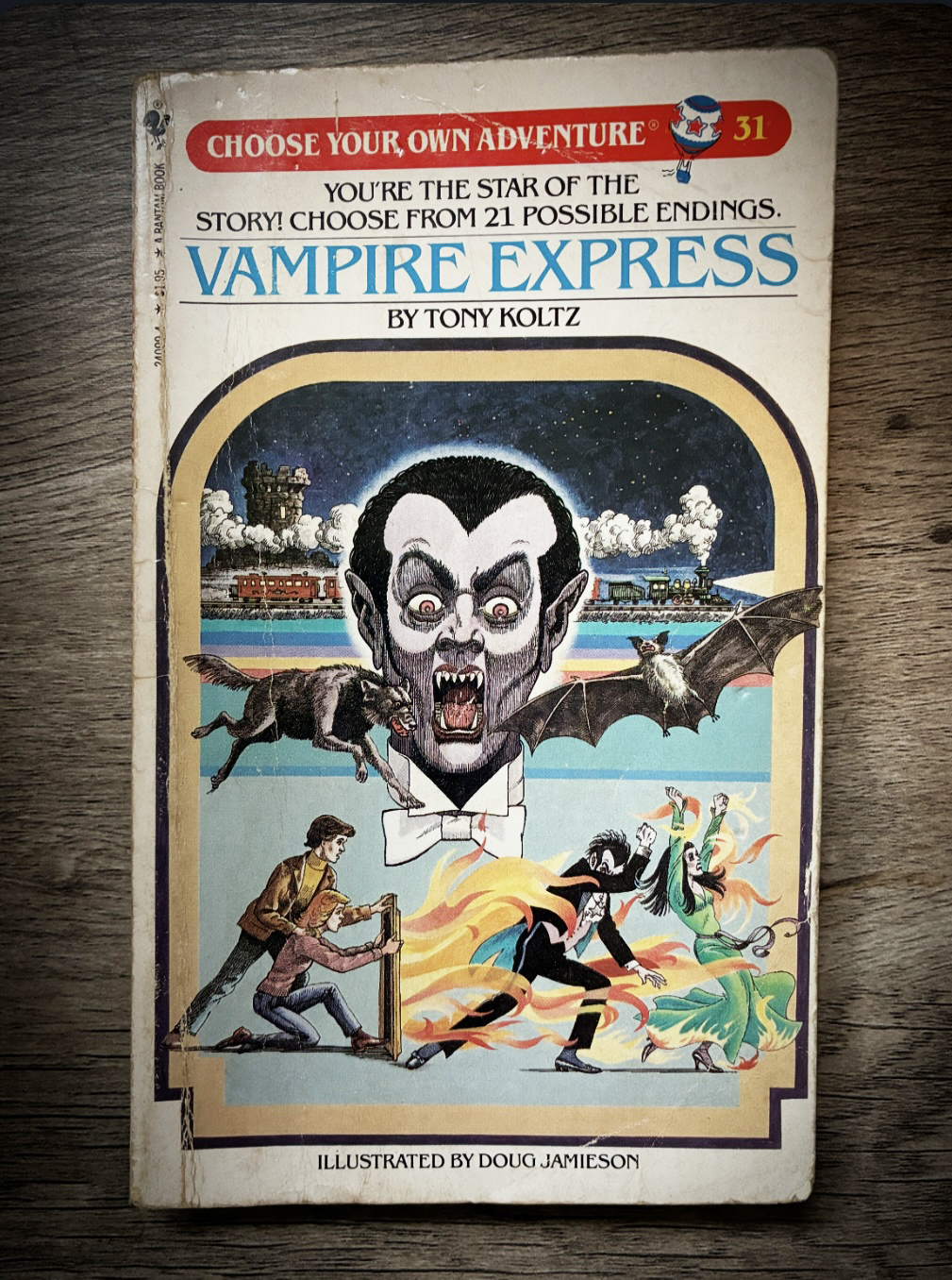


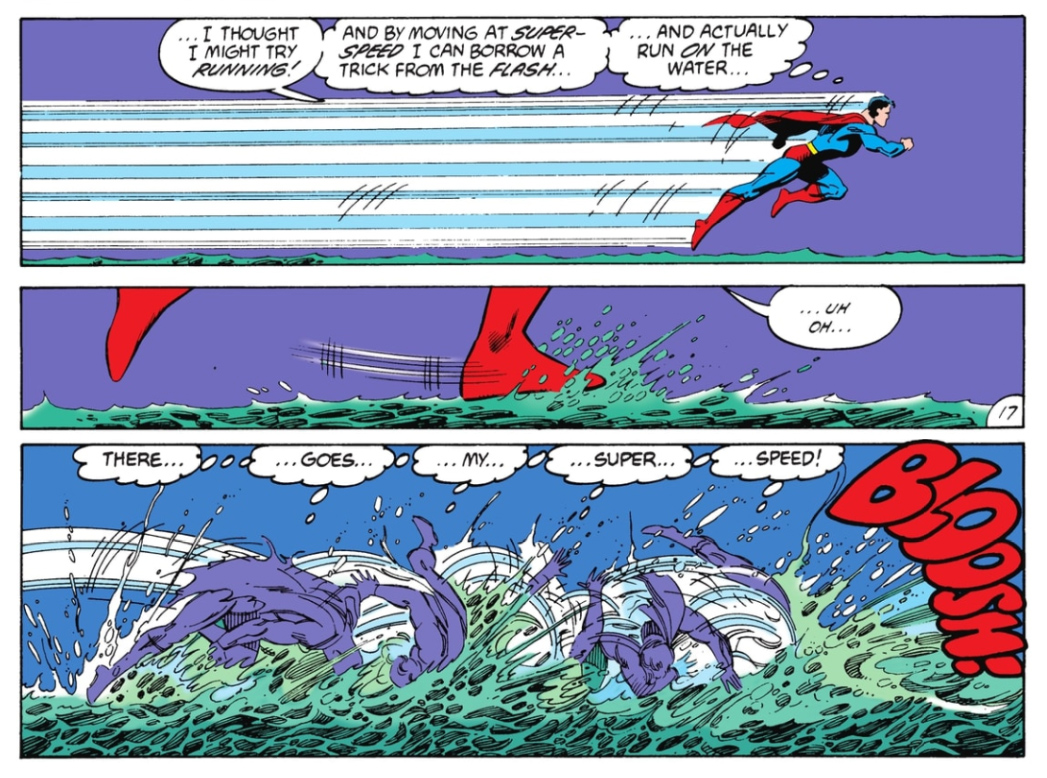


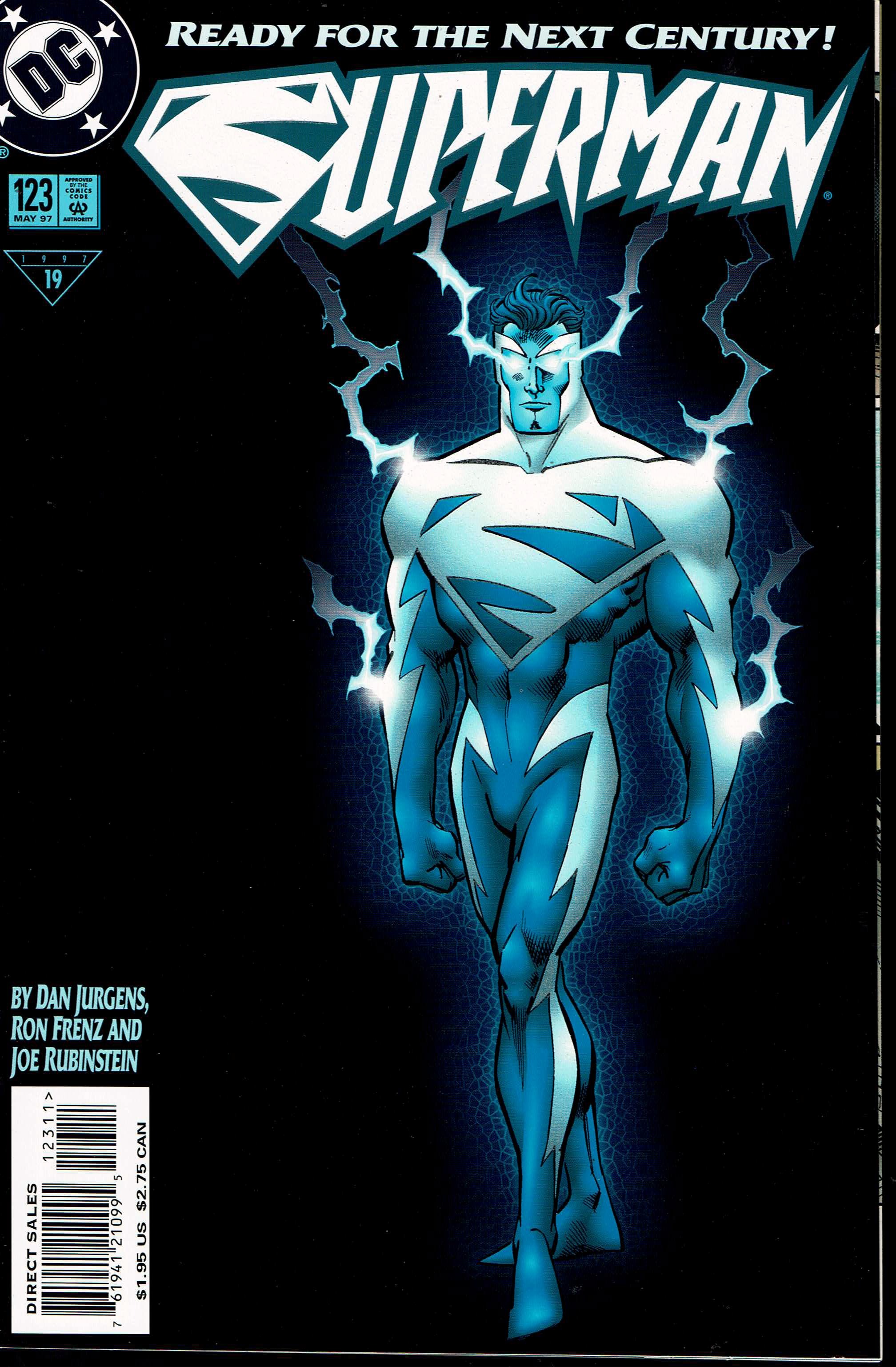
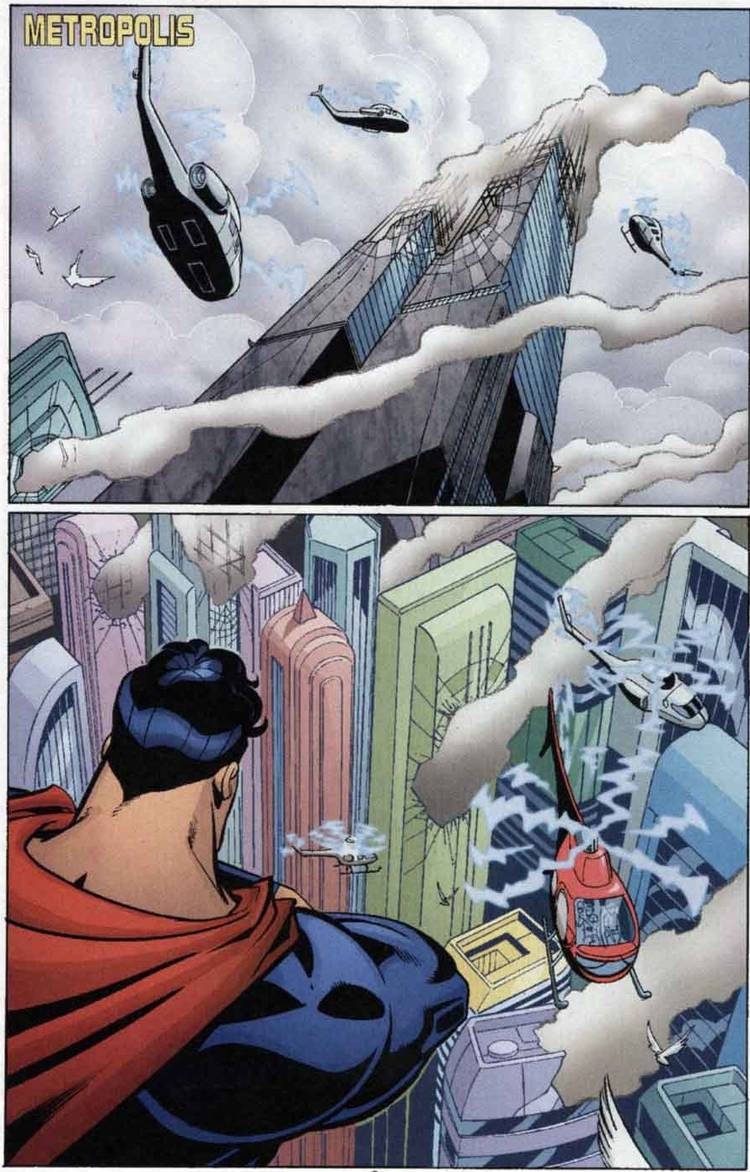


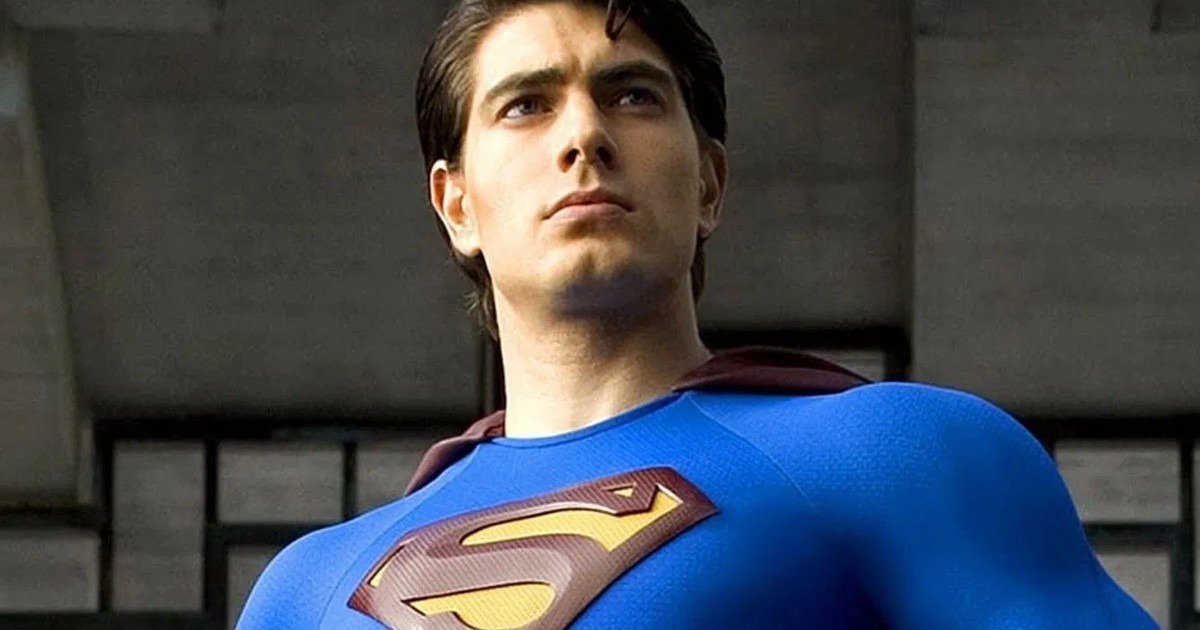

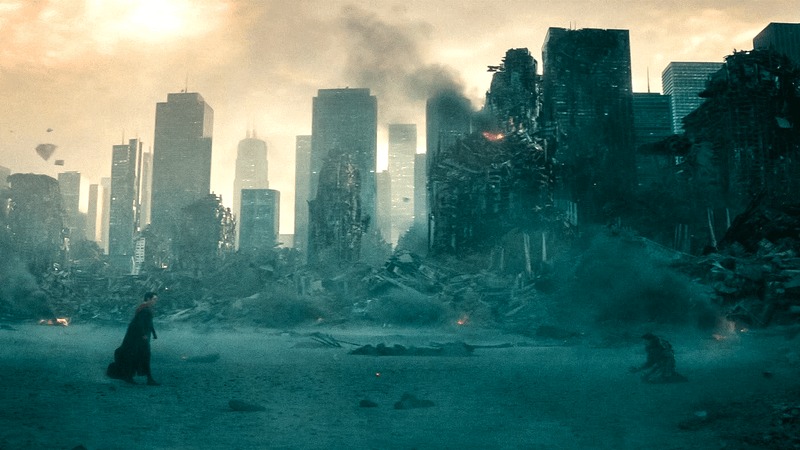

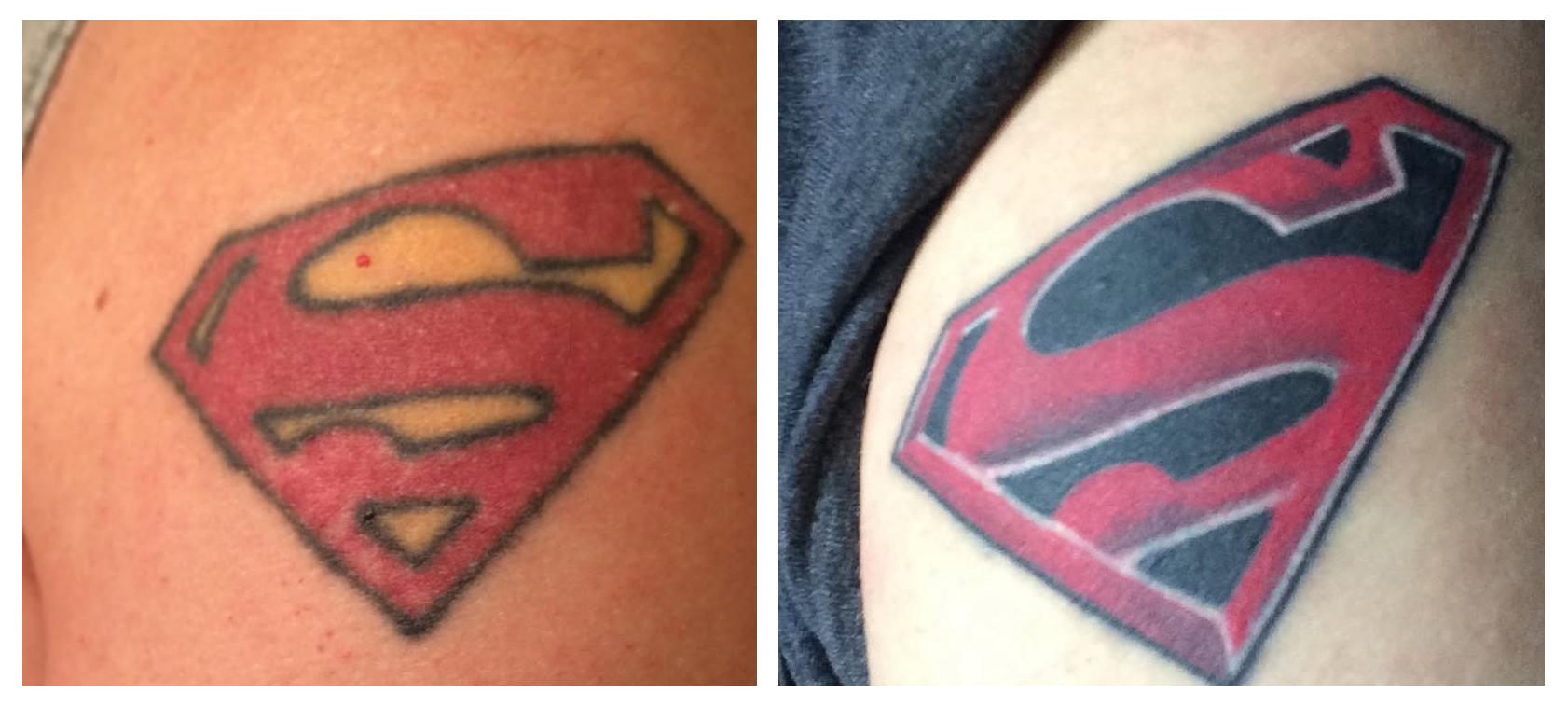


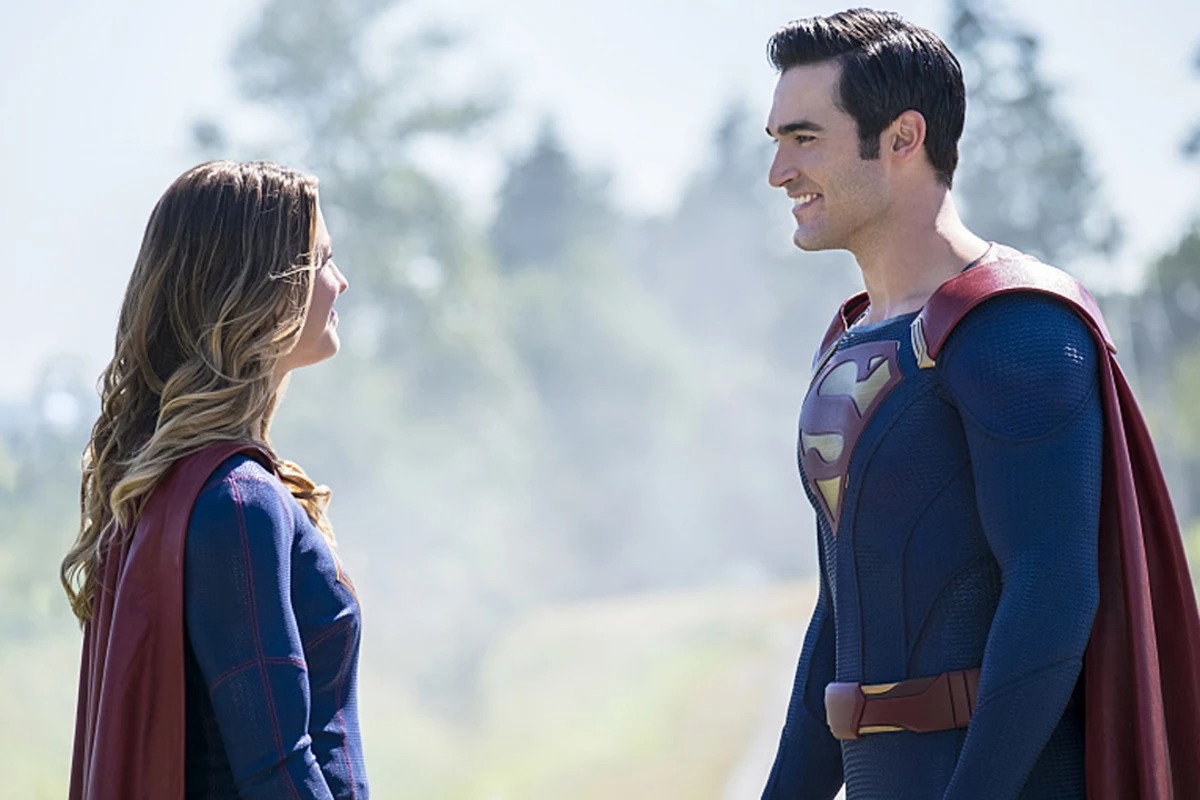

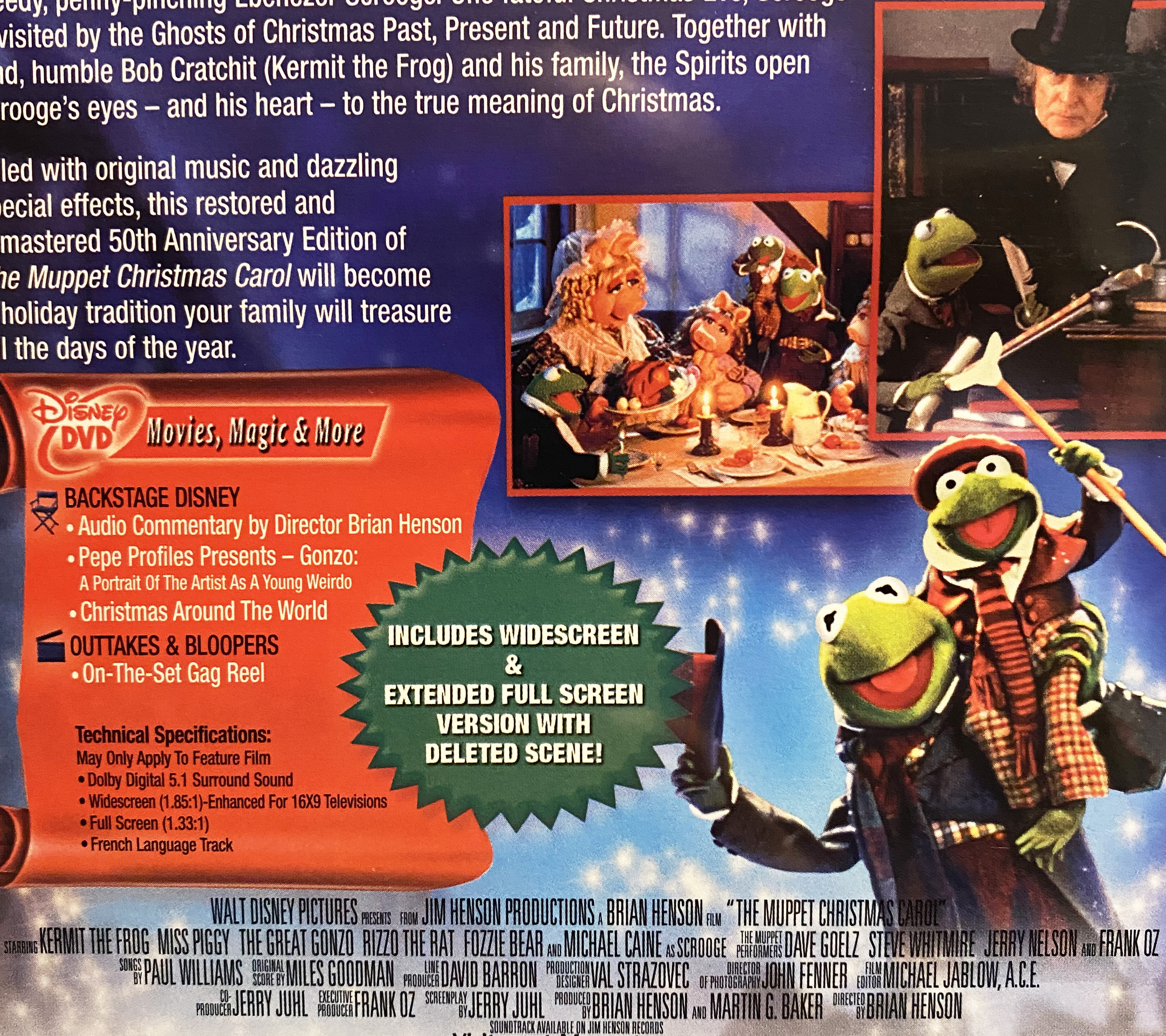
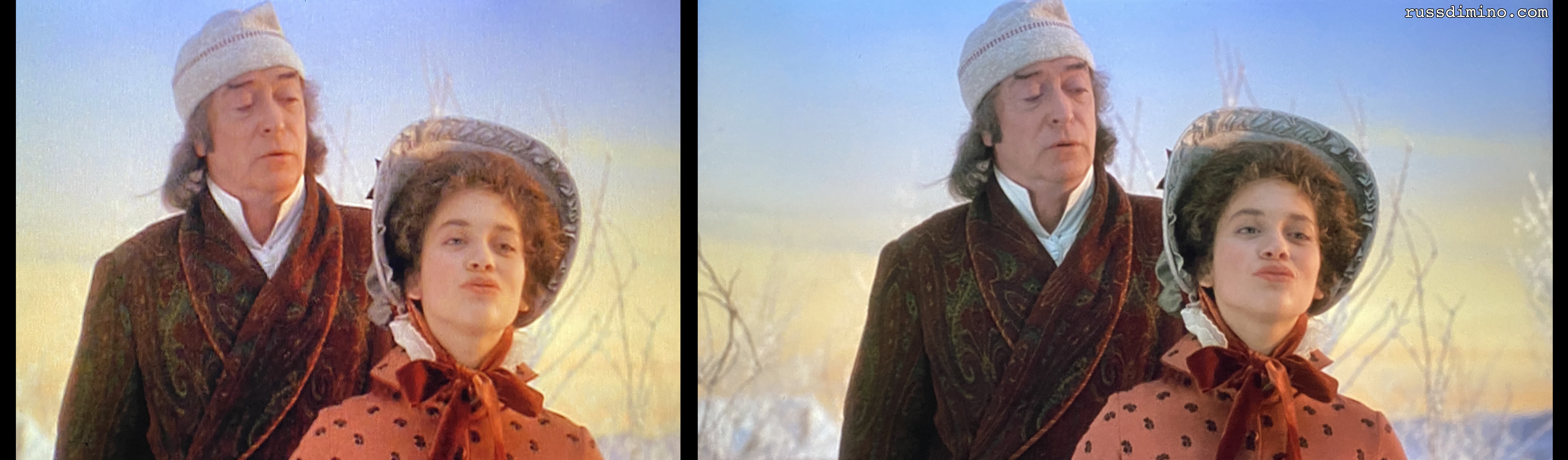

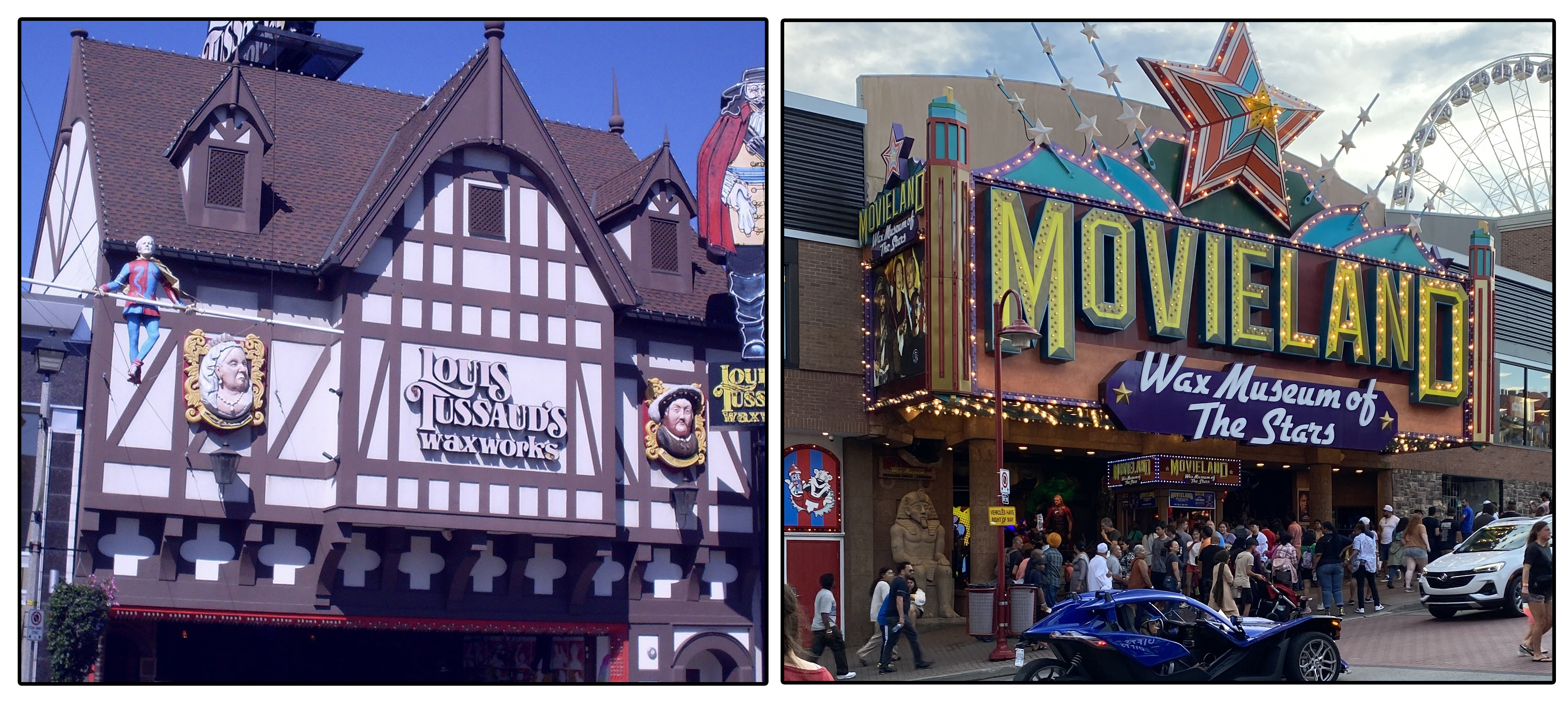

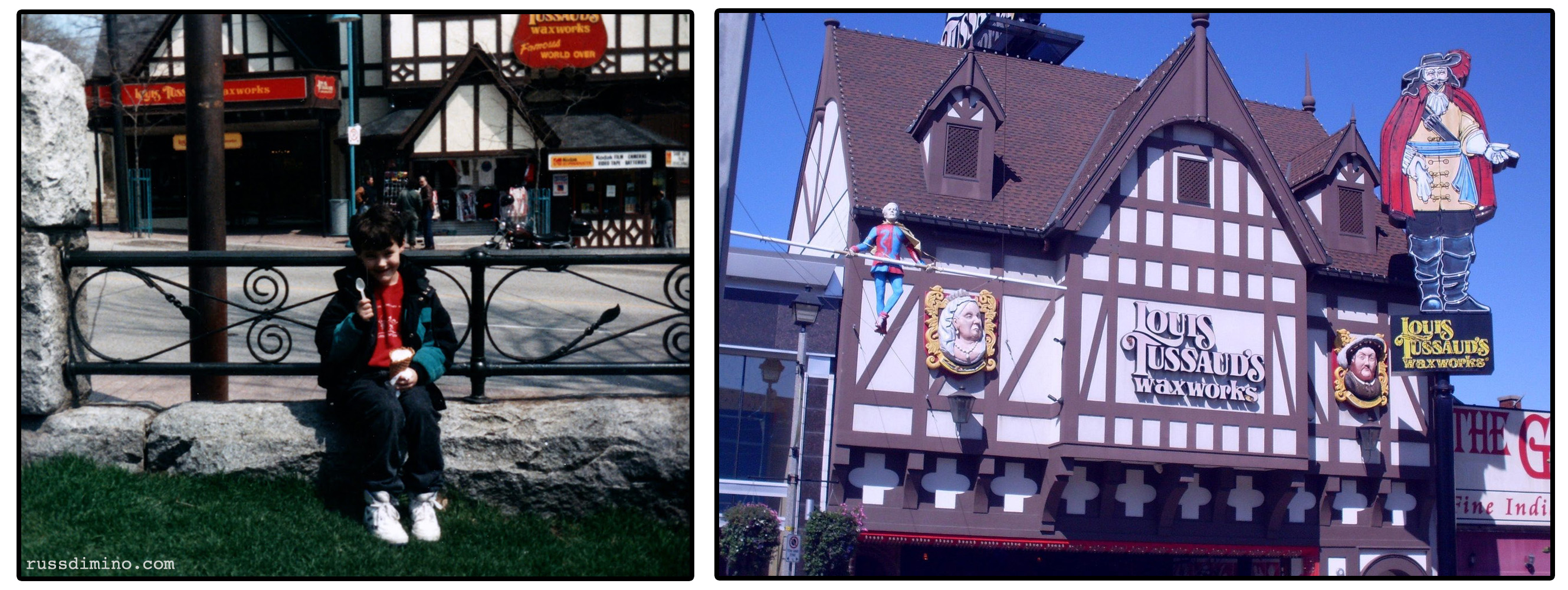
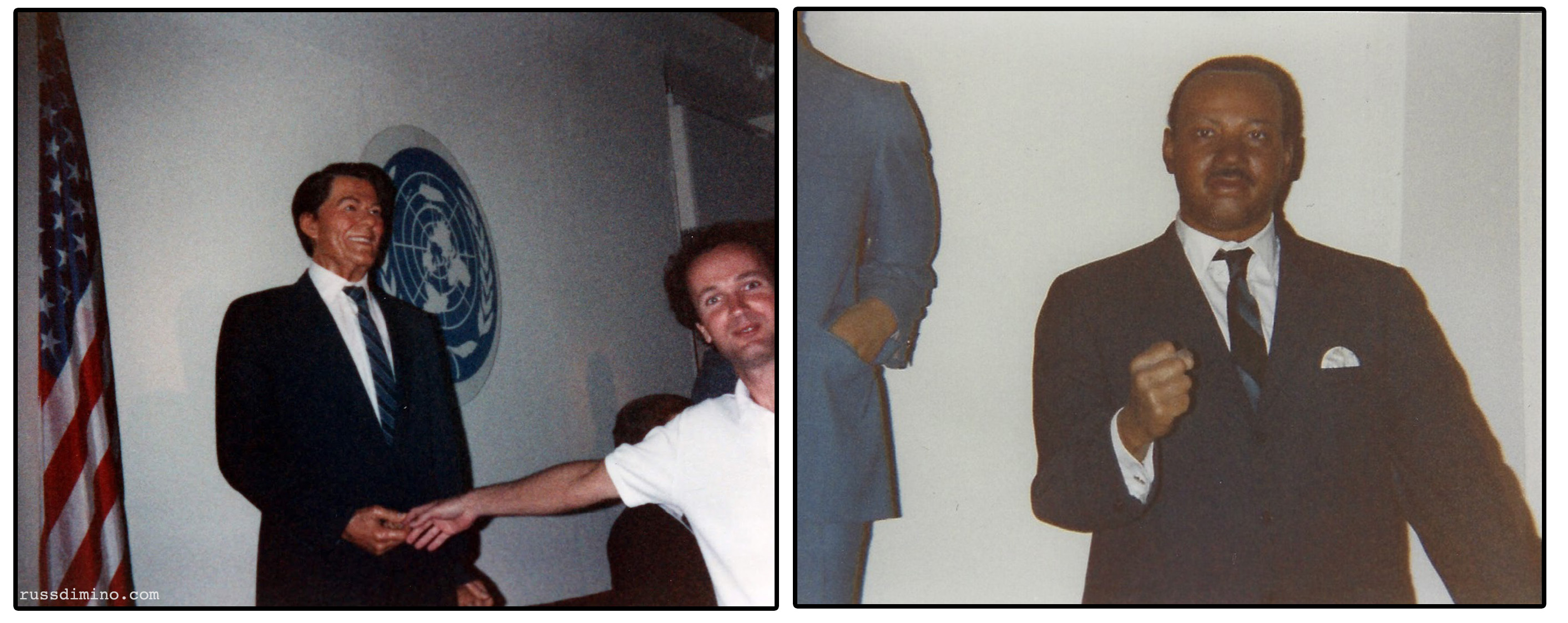
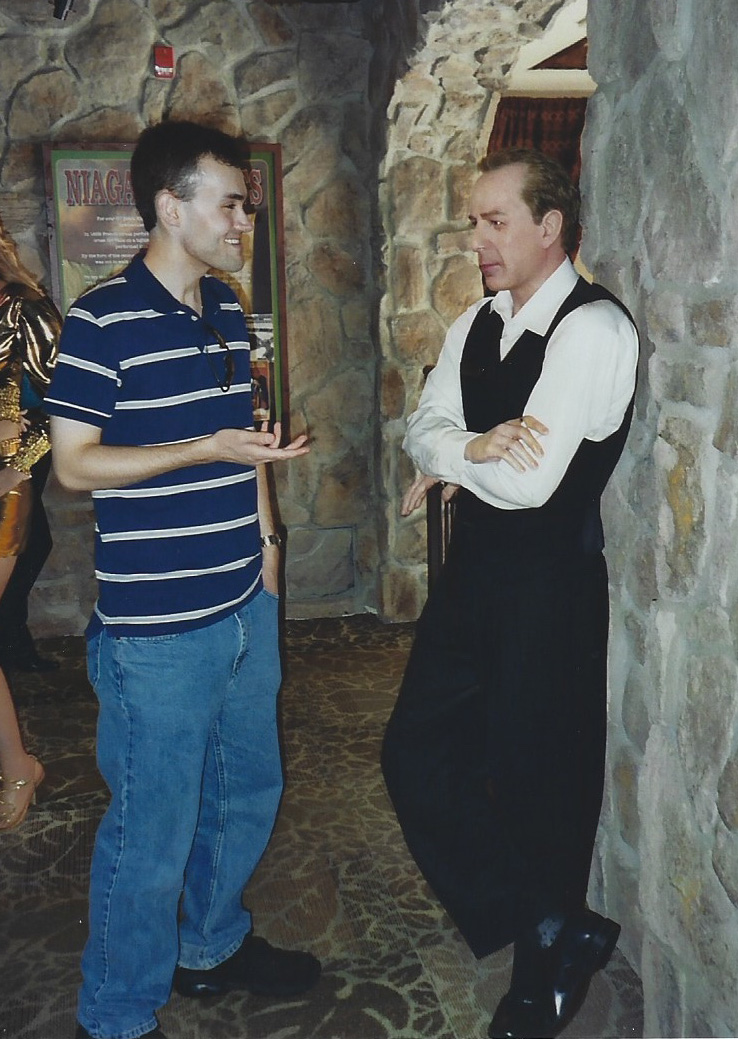


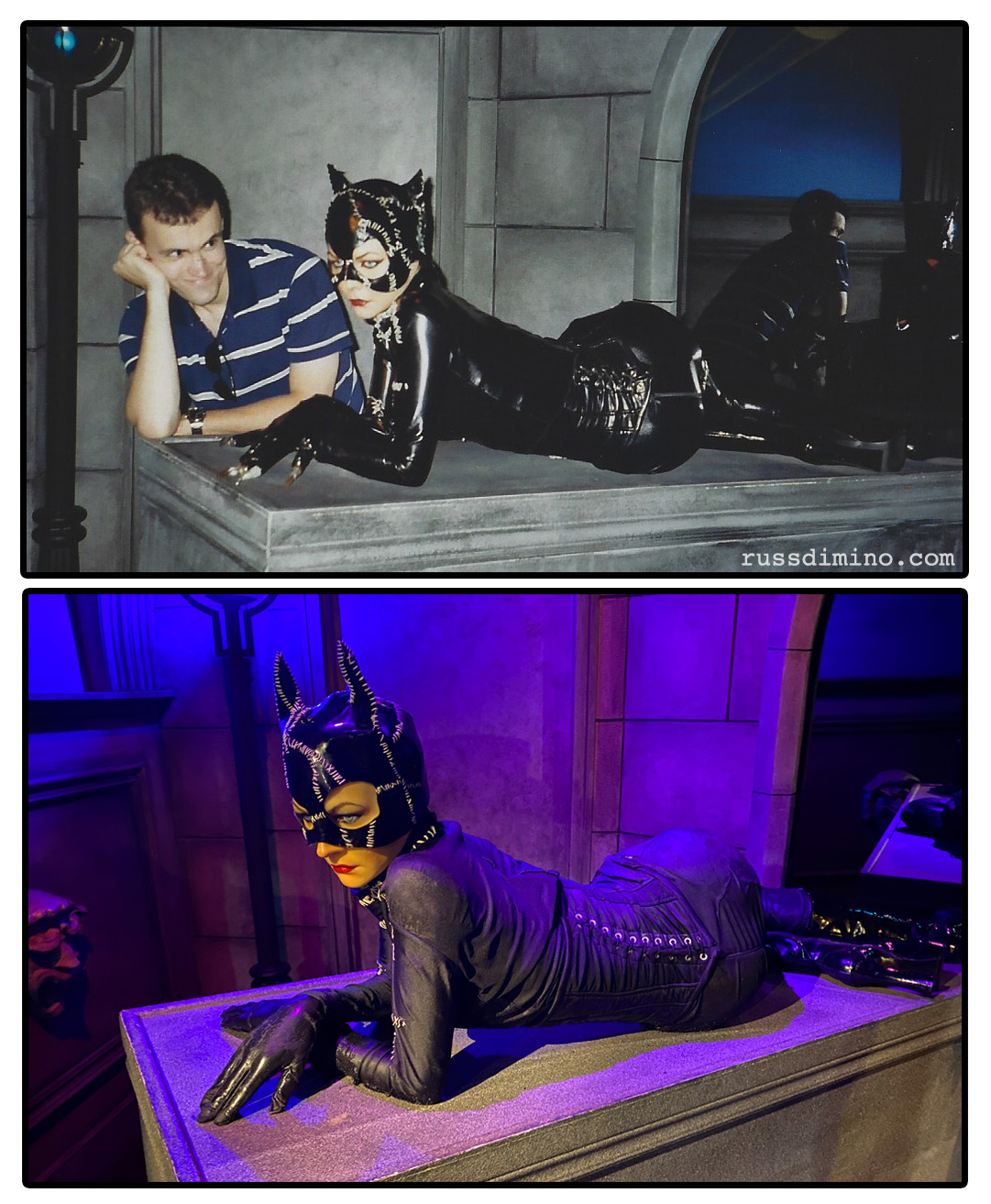


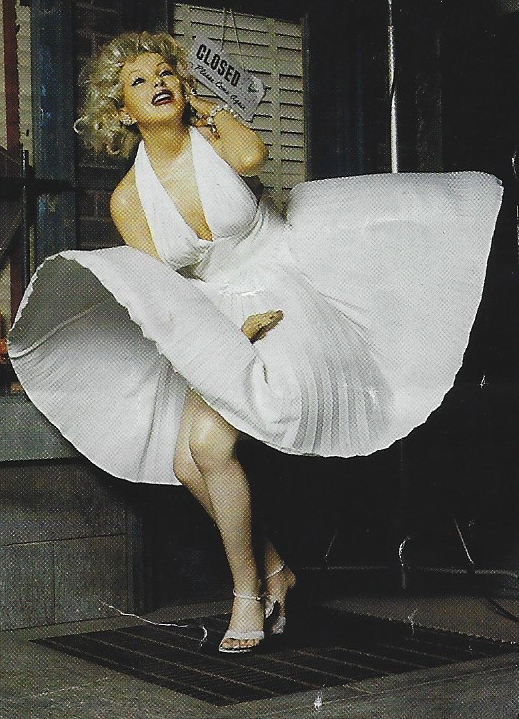


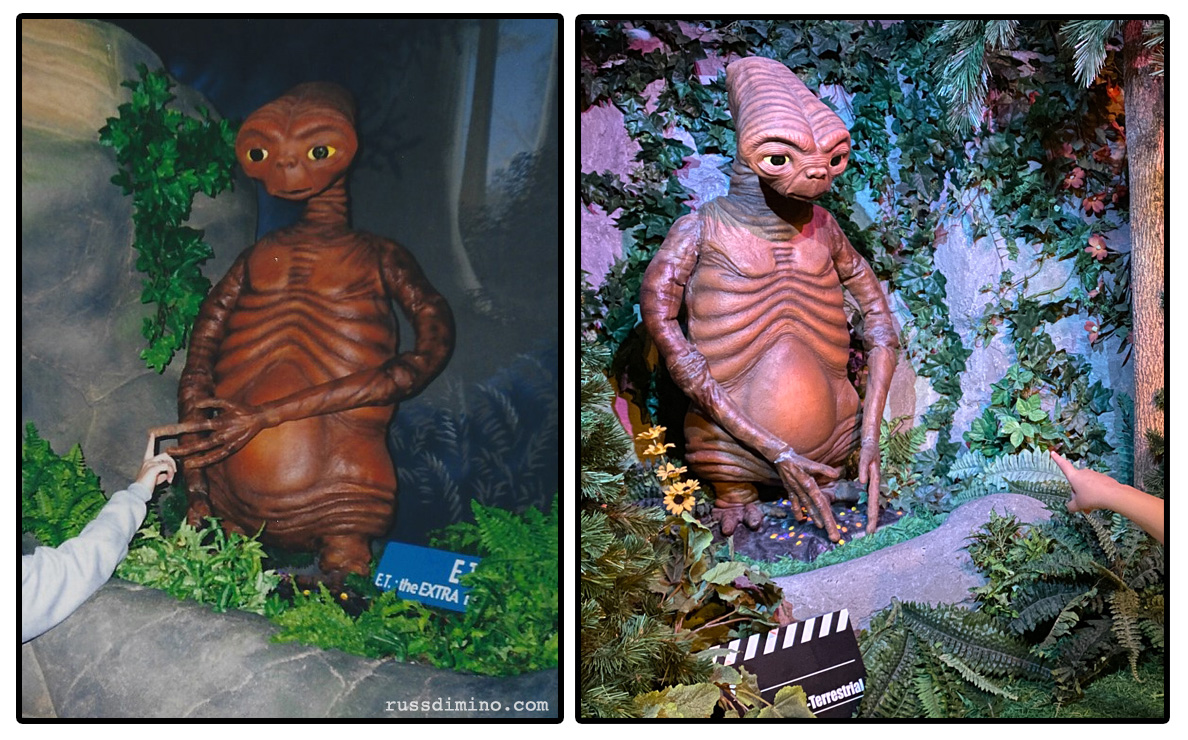
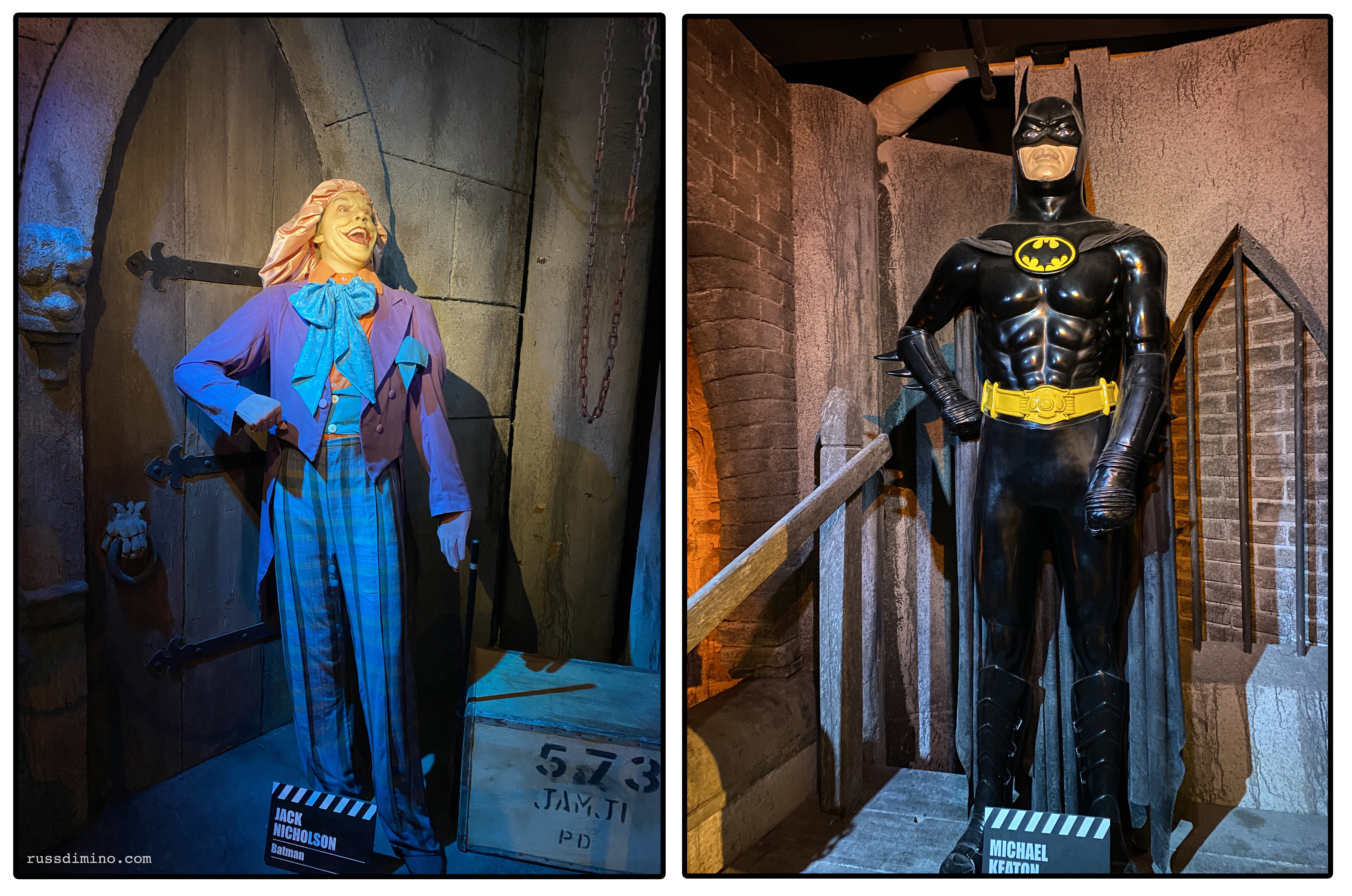



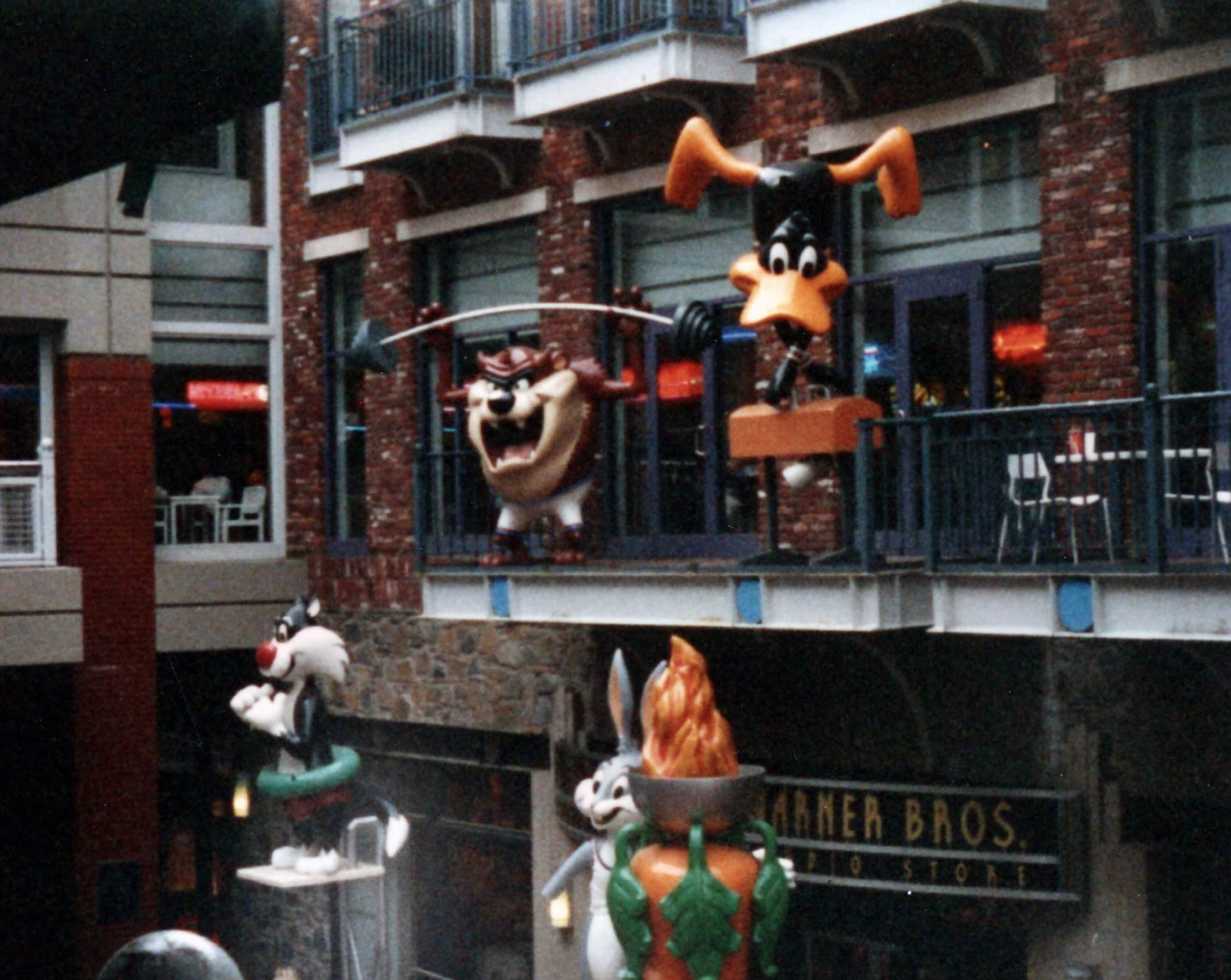

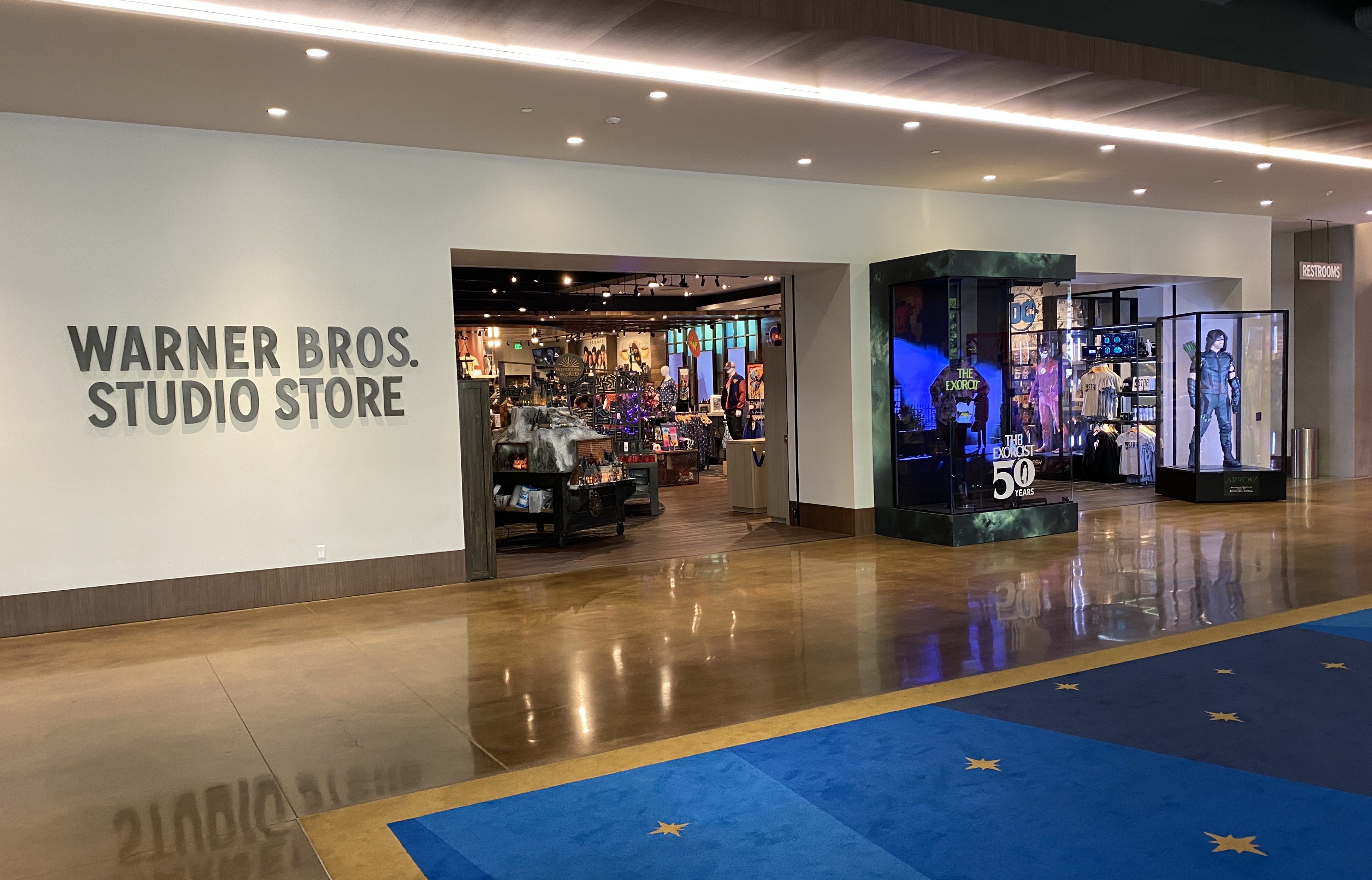

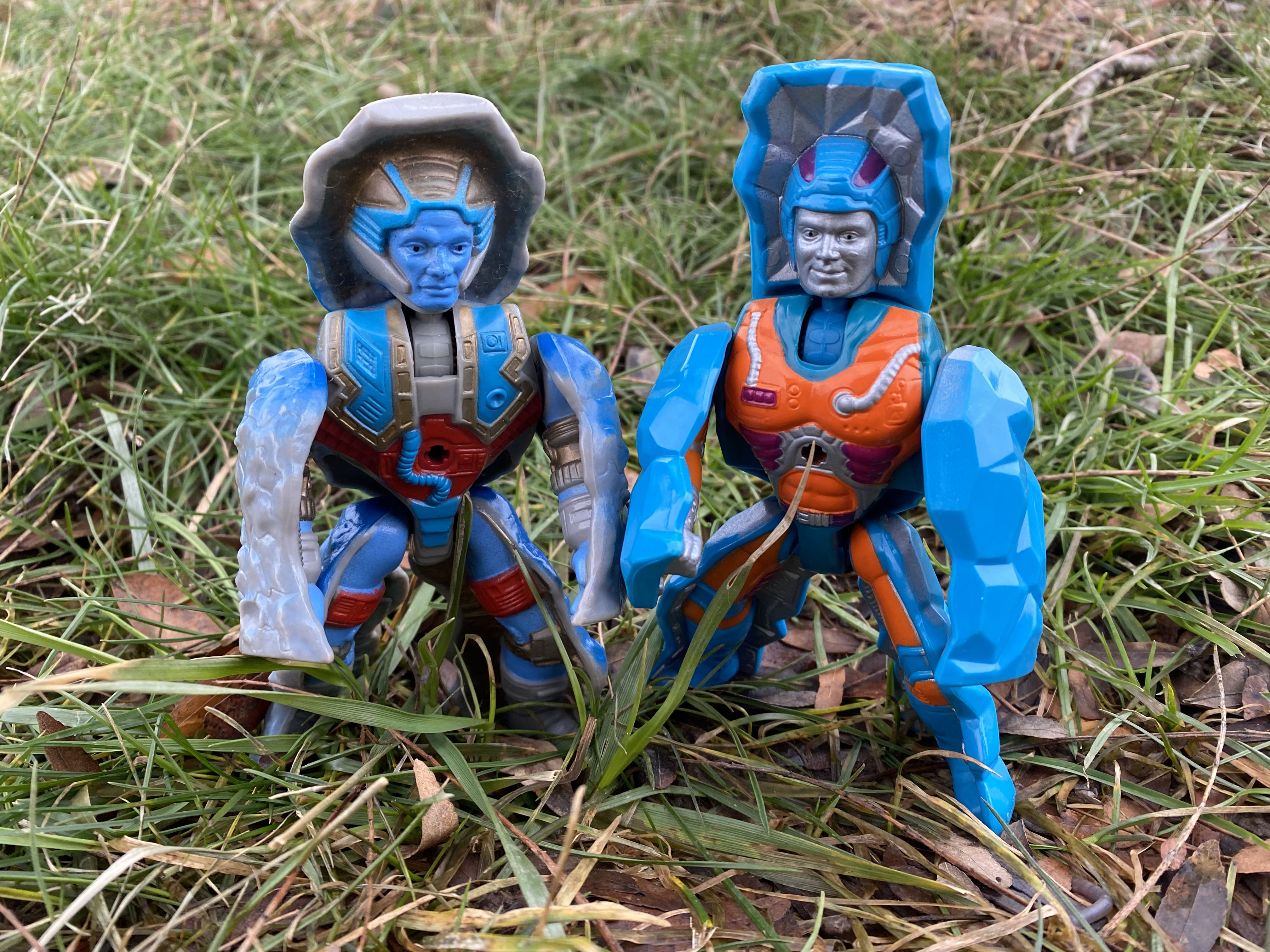

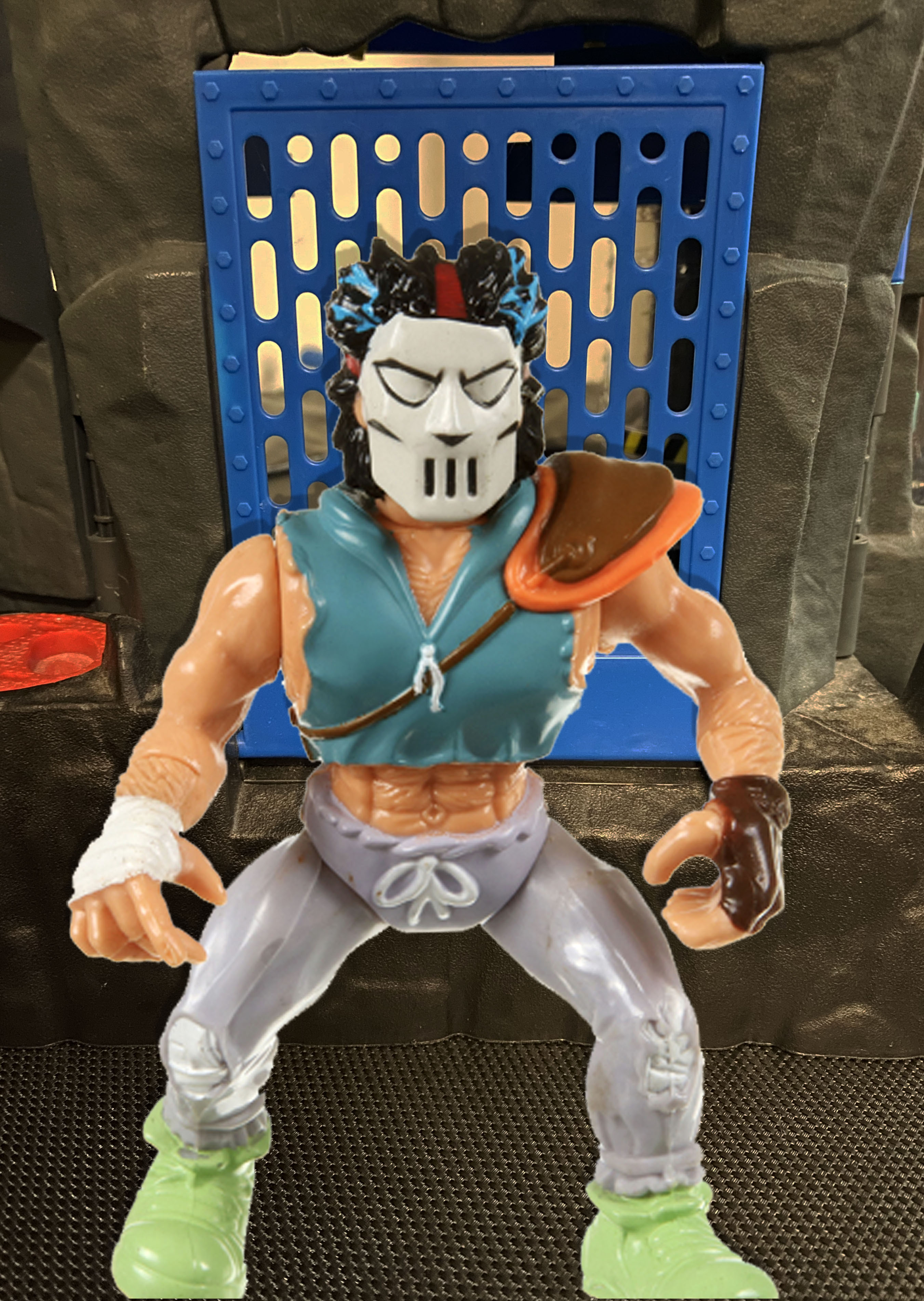


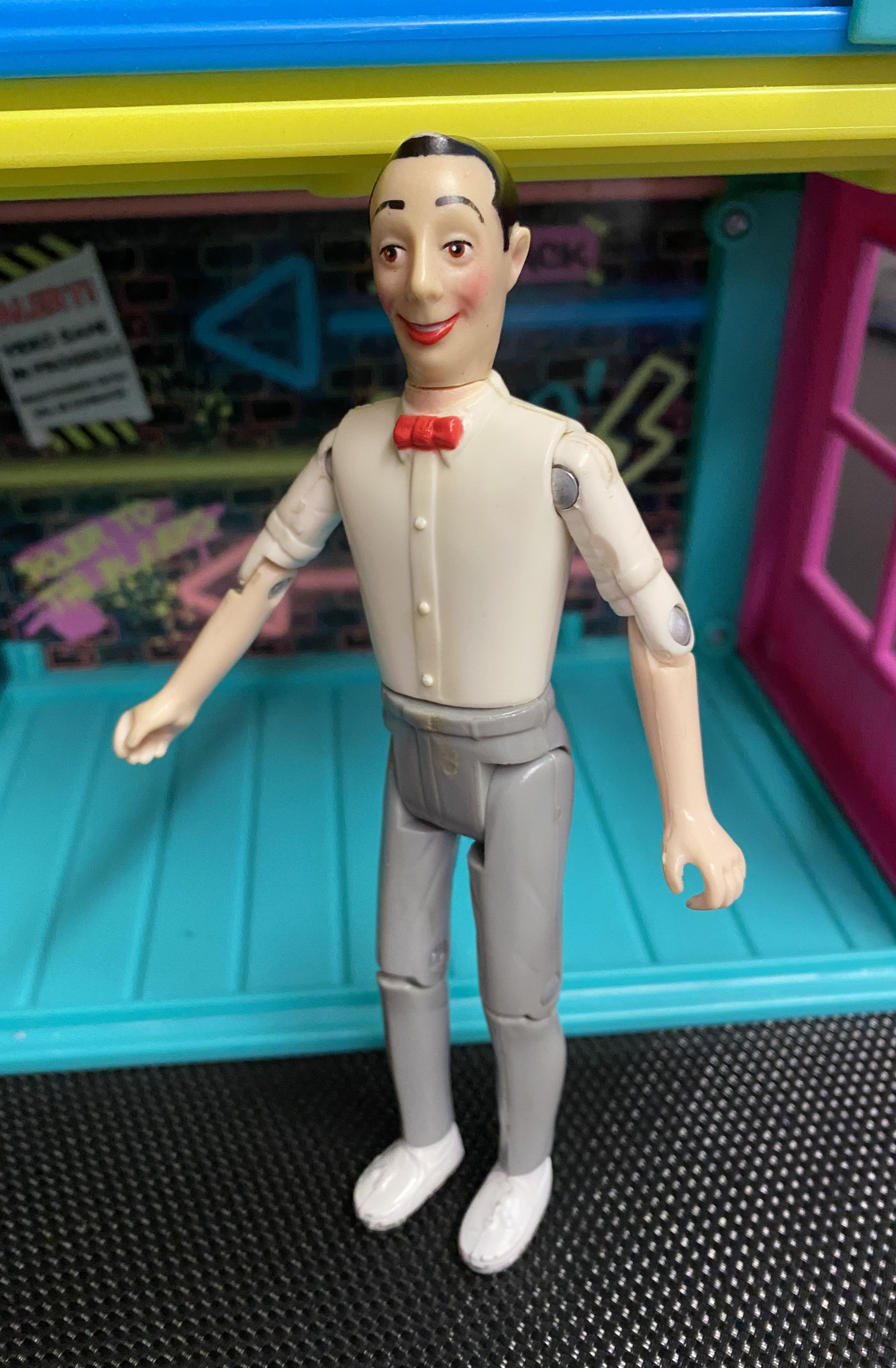
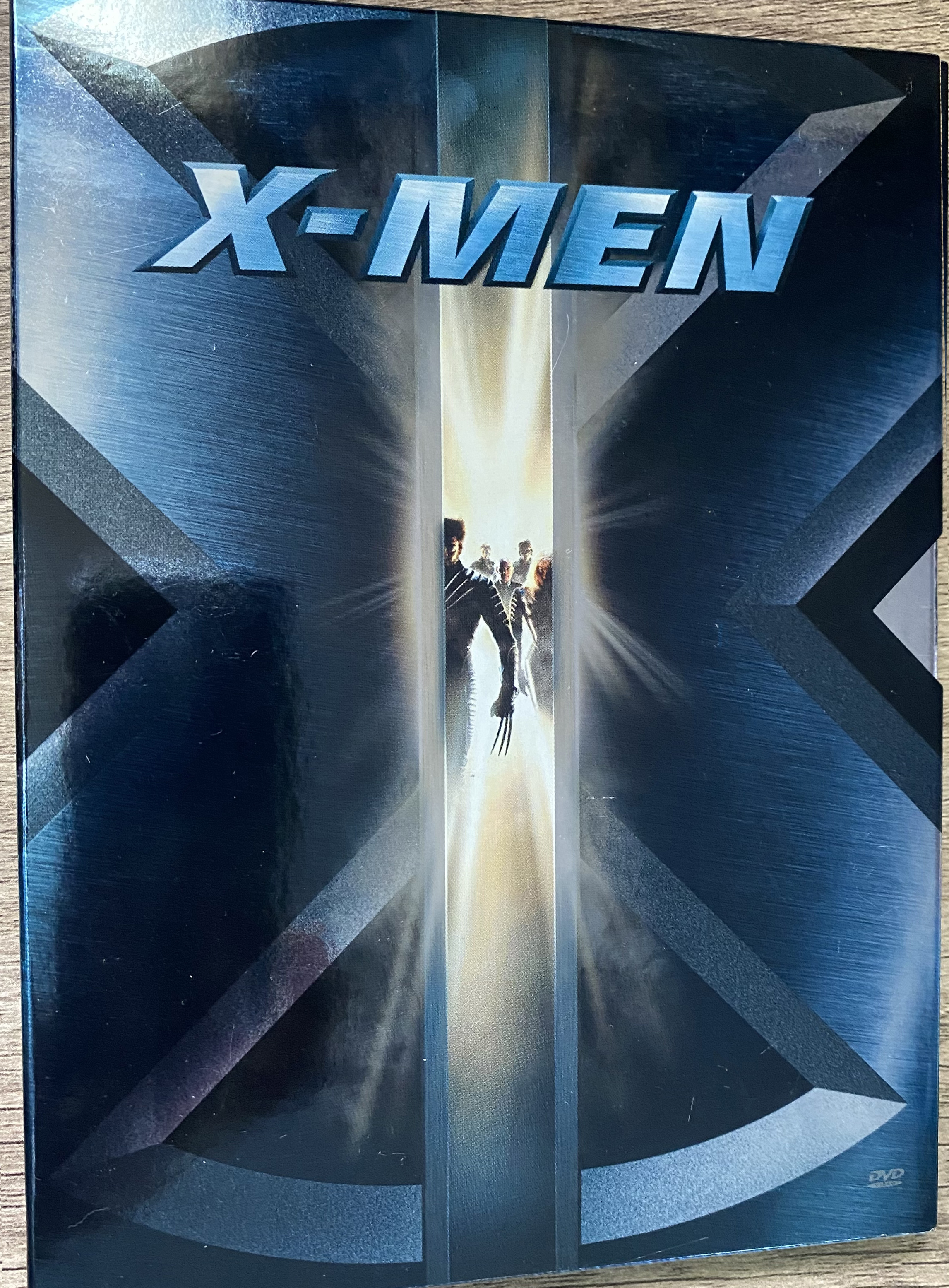






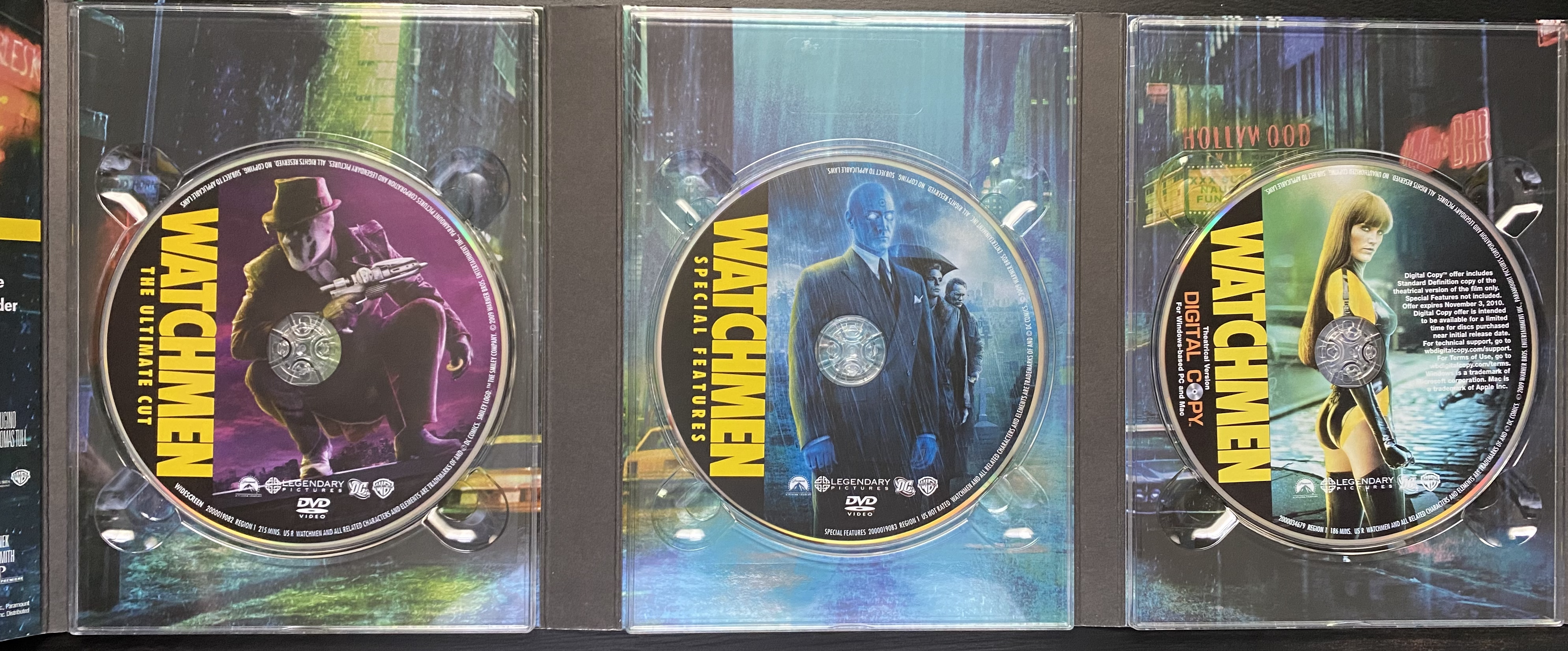


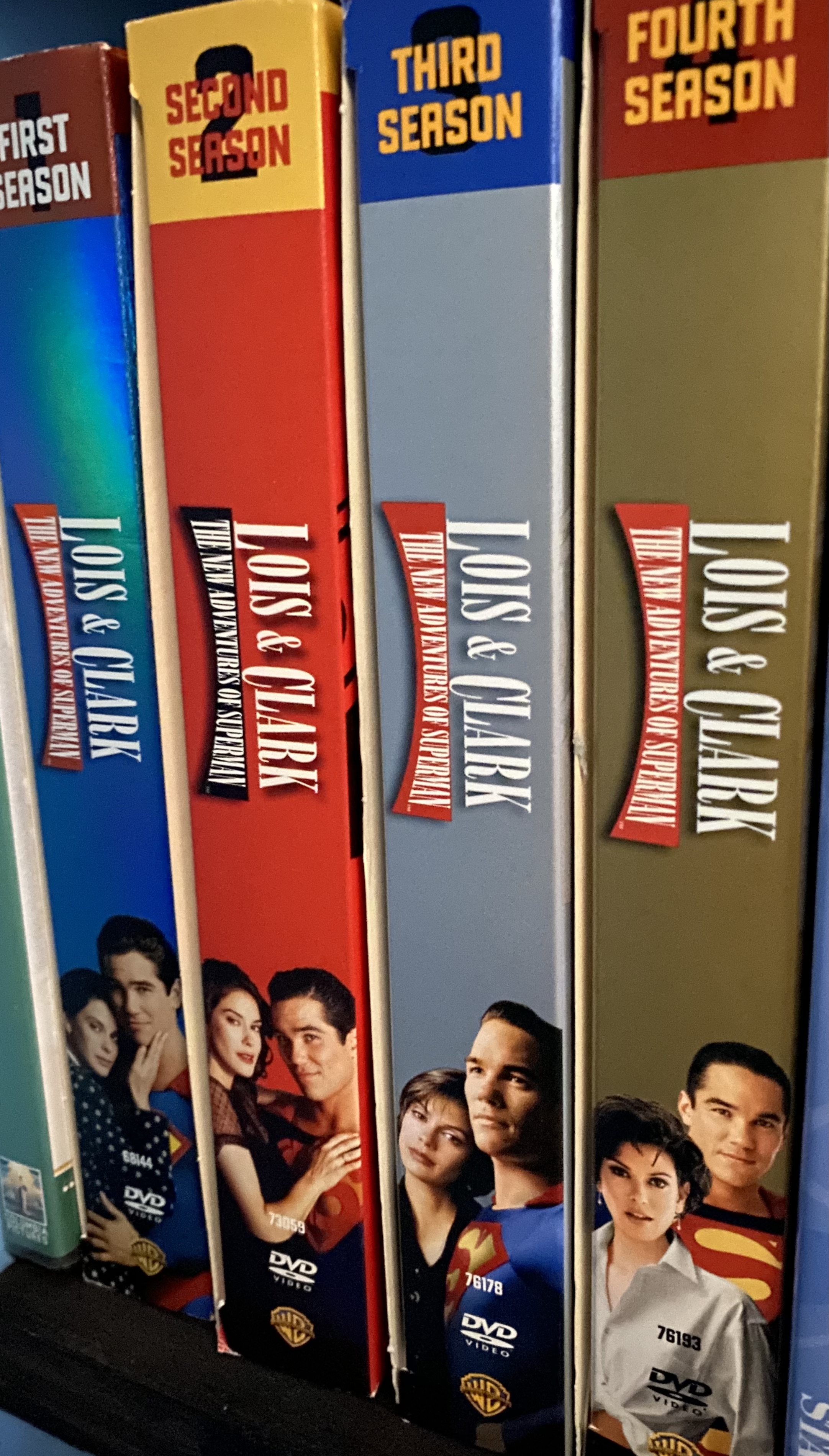




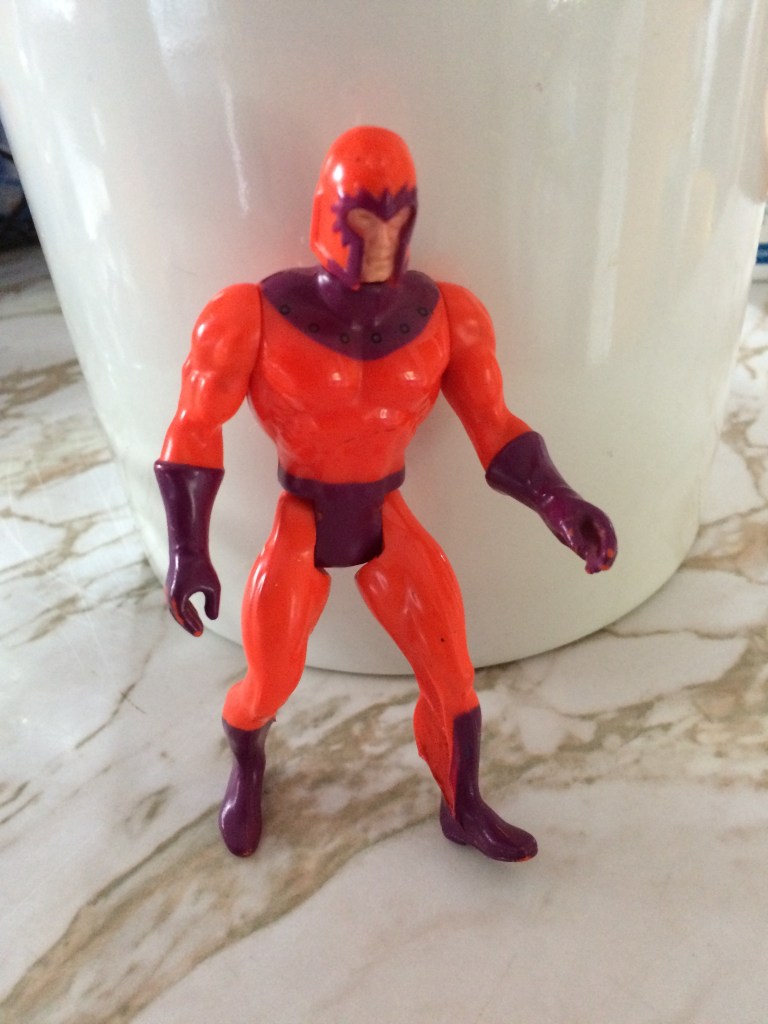


 Despite Reality